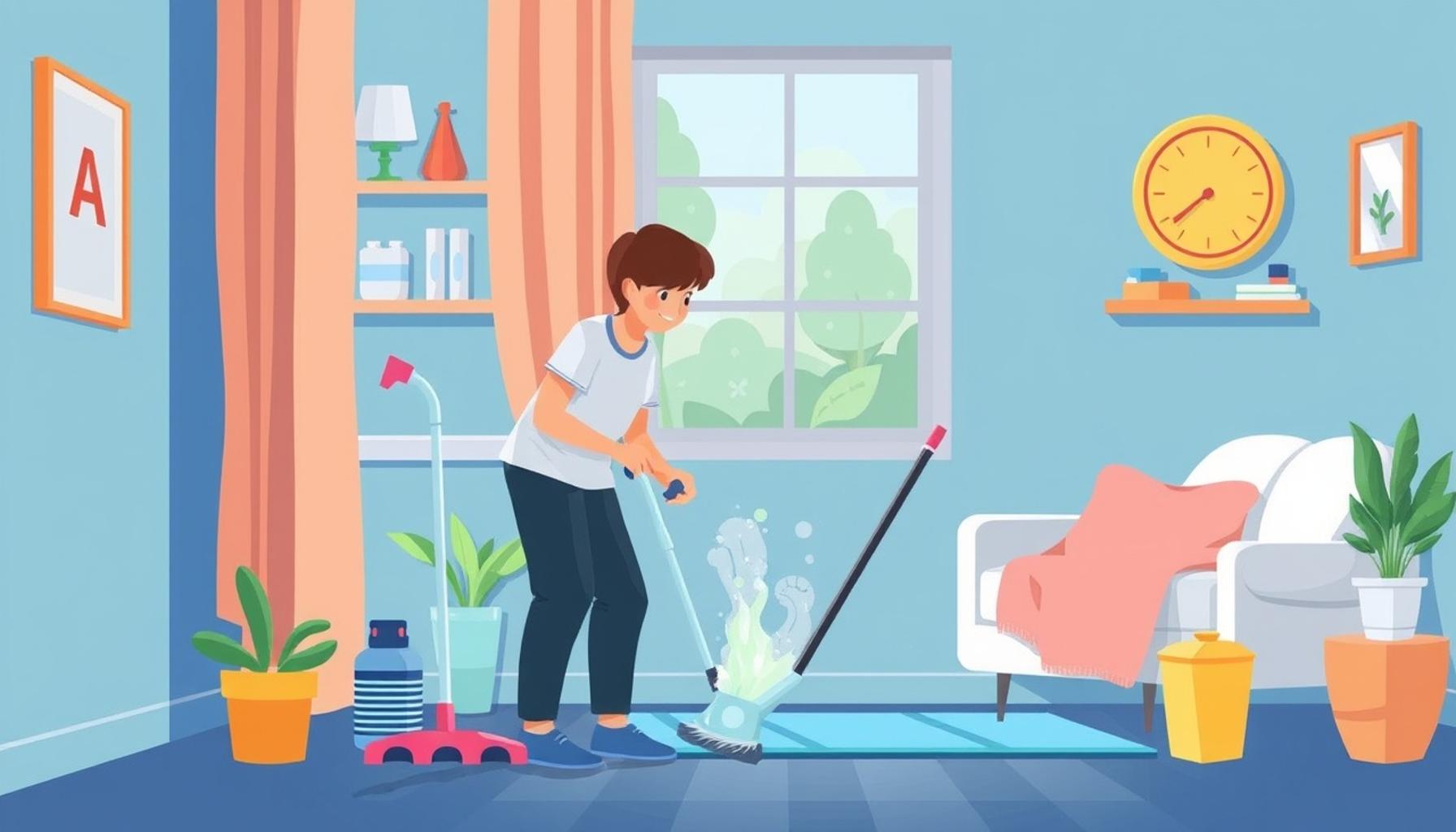
How to Establish a Safe Cleaning Routine to Prevent Household Accidents
Creating a Safer Home Environment
Cleaning is an essential part of maintaining a healthy home, but did you know that it can also pose risks if not done safely? Every year, thousands of Americans experience household accidents related to cleaning activities. From slips and falls to exposure to hazardous chemicals, the potential dangers are numerous. Implementing a structured cleaning routine can significantly reduce these risks and help you ensure the safety of your household.
Key Features of a Safe Cleaning Routine
When establishing a safe cleaning routine, consider the following key features to enhance safety and efficiency:
- Prioritize Hazardous Areas: Focus on high-risk locations such as kitchens and bathrooms. These areas not only harbor germs but often have slippery surfaces. Regularly cleaning spills and using non-slip mats can help minimize accidents. For instance, if you’re cleaning the kitchen floor, immediately address any liquid spills to prevent slipping.
- Use Safe Products: Choose non-toxic cleaning supplies to minimize harmful exposure. Toxic ingredients in traditional cleaners can contribute to respiratory issues, skin irritations, or even poisoning if ingested. Look for eco-friendly alternatives that are effective yet gentle. For example, vinegar is a natural disinfectant, and baking soda can act as a gentle abrasive for scrubbing.
- Wear Protective Gear: Equip yourself with gloves, masks, and goggles as needed. When dealing with harsh chemicals, protective gear can provide vital insulation from potential skin burns or eye injuries. Even simple rubber gloves can protect your hands from irritants found in many household cleaners.
Creating a Comprehensive Cleaning Checklist
In addition to these features, creating a checklist to guide your cleaning process is vital. This ensures that no areas are overlooked and helps prevent clutter that can lead to accidents. A sample checklist might include tasks like disinfecting kitchen countertops, sanitizing bathroom fixtures, and vacuuming rugs to mitigate dust buildup. By planning and organizing your cleaning tasks effectively, you can navigate them with greater efficiency and safety.
Maintaining Safety Beyond Cleaning
Ultimately, the goal is to cultivate a cleaning routine that not only keeps your home spotless but also protects the well-being of everyone in your household. Regularly evaluating your cleaning supplies and techniques can lead to a consistent safety culture in your home. For instance, consider setting a reminder in your calendar for cleaning tasks, making them a priority rather than an afterthought.
By adopting these strategies, you can clean confidently and create a safer home environment. Join us as we delve deeper into how to establish a safe cleaning routine and explore effective strategies that prevent common household accidents.
DISCOVER: Click here for tips on creating a cleaning schedule
Identifying Potential Hazards in Your Home
To craft a safe cleaning routine, it’s imperative to first identify the potential hazards lurking in your home. Household accidents often occur due to overlooked risks that can lead to serious injuries. By recognizing these threats, you can take proactive measures to safeguard your environment.
Common Household Hazards
Understanding common household hazards helps in establishing a targeted approach to cleaning safely. Here are several risks to watch for:
- Slippery Surfaces: Areas like kitchens and bathrooms frequently become slippery due to spills, water, and soap residue. To mitigate risk, keep non-slip mats at strategic locations and encourage all household members to dry spills immediately.
- Cluttered Spaces: Excessive clutter can easily become a trip hazard. Take the time to organize items and periodically evaluate areas where junk tends to accumulate, such as living rooms and hallways.
- Improper Chemical Storage: Household cleaners often contain harmful chemicals that can cause poisoning or burns. Store these products out of reach of children and pets, ideally in locked cabinets. Make sure to label all items clearly to avoid confusion.
- Inadequate Ventilation: Using certain cleaning products indoors can lead to toxic fumes if there is insufficient ventilation. When cleaning, open windows or doors to ensure fresh air circulation, and always read the product labels for specific ventilation instructions.
Conducting a Safety Audit
Before you dive into cleaning, consider conducting a safety audit of your spaces. Walk through your home and observe each room with an eye for potential hazards. Are there toys left strewn across the floor? Is there a need for more lighting in dark corners? Keeping a notepad handy while you evaluate each room can help you strategize effectively.
After you’ve identified potential hazards, develop a cleaning schedule that incorporates safety checks as part of the routine. For instance, while you might clean surfaces on a weekly basis, commit to checking for clutter or slip hazards daily. This dual-action approach enhances not only the cleanliness of your home but also encourages a culture of safety.
Moreover, it’s essential to involve all members of the household in this routine. Teaching children about cleaning safety creates a sense of responsibility and awareness from a young age. By collectively implementing your cleaning strategy, you can ensure that everyone feels empowered to contribute to a safer living environment.
Establishing a safe cleaning routine is not just about cleaning up messes; it’s about fostering a mindful approach to daily tasks. In subsequent sections, we will explore more detailed strategies for creating safety-focused practices that will ensure you and your family can enjoy a clean and secure home.
| Cleaning Supplies | Safety Features |
|---|---|
| Non-toxic Cleaners | Reduces risk of chemical burns and respiratory issues. |
| Proper Storage | Prevents spills and accidental ingestion by children and pets. |
| Color-coded Cleaning Cloths | Minimizes cross-contamination between surfaces, ensuring hygienic practices. |
| Mop Safety | Reduces slip hazards with anti-slip features and proper mop usage. |
To effectively minimize the risk of household accidents during cleaning, consider transitioning to non-toxic cleaners. These products not only safeguard the health of your family, particularly young children and pets, but also contribute to environmental well-being. Proper storage of cleaning agents is equally crucial; ensure that all supplies are securely locked away after use. Utilize color-coded cleaning cloths to differentiate between surfaces, such as kitchen counters and bathrooms. This simple practice reduces cross-contamination, enhancing overall hygiene in your home. Implementing mop safety features, such as anti-slip grips, can drastically lower the likelihood of falls while cleaning floors. Adhering to these guidelines not only promotes safety but fosters a consistent and effective cleaning routine. Explore innovative methods to enhance your cleaning practices further by researching eco-friendly options available in the market.
DISCOVER: Click here for eco-friendly cleaning tips
Implementing Safe Cleaning Practices
Once you’ve identified potential hazards and evaluated your home for risks, the next step in establishing a safe cleaning routine revolves around implementing practices that not only prioritize cleanliness but also keep safety at the forefront. Incorporating safety into your cleaning regimen can significantly reduce the likelihood of household accidents.
Choosing the Right Cleaning Products
The cleaning products you choose can greatly impact your home’s safety. Opting for non-toxic and eco-friendly cleaners is beneficial for both your health and the environment. Many conventional cleaners contain harsh chemicals that can irritate skin, eyes, and respiratory systems. According to the American Association of Poison Control Centers, household cleaning products account for a significant number of exposure cases reported each year.
When selecting cleaning agents, look for those labeled as safe for children and pets, or consider making homemade alternatives from natural ingredients like vinegar, baking soda, and lemon juice. Not only are these options safer, but they often prove to be just as effective as traditional cleaners.
Utilizing Proper Equipment
Investing in appropriate cleaning tools is another step in maintaining safety. For instance, when using a ladder for high-up cleaning tasks, ensure it is stable and positioned correctly. Wearing personal protective equipment (PPE), such as gloves, masks, and goggles, while handling cleaning supplies can also mitigate injury and reduce exposure to harmful substances.
Additionally, employing tools like microfiber cloths can help in minimizing the need for excessive chemical usage. These cloths collect dust and grime efficiently without the aid of potentially harmful sprays, making your cleaning practice both effective and safe.
Establishing a Safe Workflow
Cultivating a safe workflow during cleaning is essential for minimizing accidents. Begin by creating a cleaning checklist that outlines each task in a logical order, starting from the top of your home and working your way down. For example, if you are dusting, begin with shelves and work down to coffee tables. This method prevents unnecessary re-cleaning and reduces the risk of missing areas that could accumulate hazards.
Moreover, designate cleaning times that align with when household members are least active. Encourage everyone to stay clear of areas that are being cleaned to decrease the likelihood of slips, falls, or mishaps. If possible, communicate with family members regarding when potentially dangerous items, like brooms or mops left in walkways, will be in use.
Regular Training and Reminders
Creating a culture of safety in your home extends beyond initial education. Regular training and reminders about safe cleaning practices can reinforce your established routine. Implement brief meetings to discuss safety updates or cleaning protocol adjustments, ensuring that each family member understands their role in maintaining a safe home environment.
Visual reminders, such as safety posters in high-traffic areas, can also help keep potential hazards top of mind. These small steps can have a profound impact on overall household safety, reminding everyone to stay vigilant.
A comprehensive understanding of potential risks coupled with proactive cleaning habits forms the backbone of a safe cleaning routine. By consciously implementing these practices, you can significantly reduce the risk of accidents and create a safer living space for all members of your household.
DISCOVER MORE: Click here for an efficient cleaning schedule
Conclusion: The Importance of a Safe Cleaning Routine
Establishing a safe cleaning routine is crucial for maintaining a hazard-free home environment and preventing household accidents. By focusing on the selection of non-toxic cleaning products, utilizing the right equipment, and following a well-structured workflow, you can enhance safety during everyday cleaning tasks. It’s vital to remember that household cleaning doesn’t just pertain to aesthetics; prioritizing safety can protect all family members, including pets, from potentially harmful exposures and accidents.
Additionally, the significance of regular training and reminders cannot be overstated. A proactive approach, where family members are consistently educated on safe practices, amplifies the effectiveness of your cleaning routine. Utilizing strategies such as safety posters and team meetings can reinforce this culture of safety, ensuring everyone understands and adheres to the safety protocols in place.
As you navigate the various cleaning challenges around your home, consider that each step towards a safer cleaning routine is an investment in the well-being of your loved ones. In a world filled with potential hazards, the foresight to implement these safe practices could prevent unforeseen injuries and create a more secure haven for everyone. By committing to this holistic approach, your household not only stays clean but truly becomes a safe space, where peace of mind flourishes. Embrace these strategies today and contribute to a cleaner, safer tomorrow.

Linda Carter
Linda Carter is a writer specializing in efficient house cleaning and maintenance. With extensive experience helping readers keep their homes clean, organized, and well cared for, Linda shares practical guidance on cleaning routines, household upkeep, stain removal, and time-saving methods. Her goal is to provide simple tips and effective strategies that make home care easier, faster, and more manageable.