
The importance of using dry cleaning techniques to preserve water resources
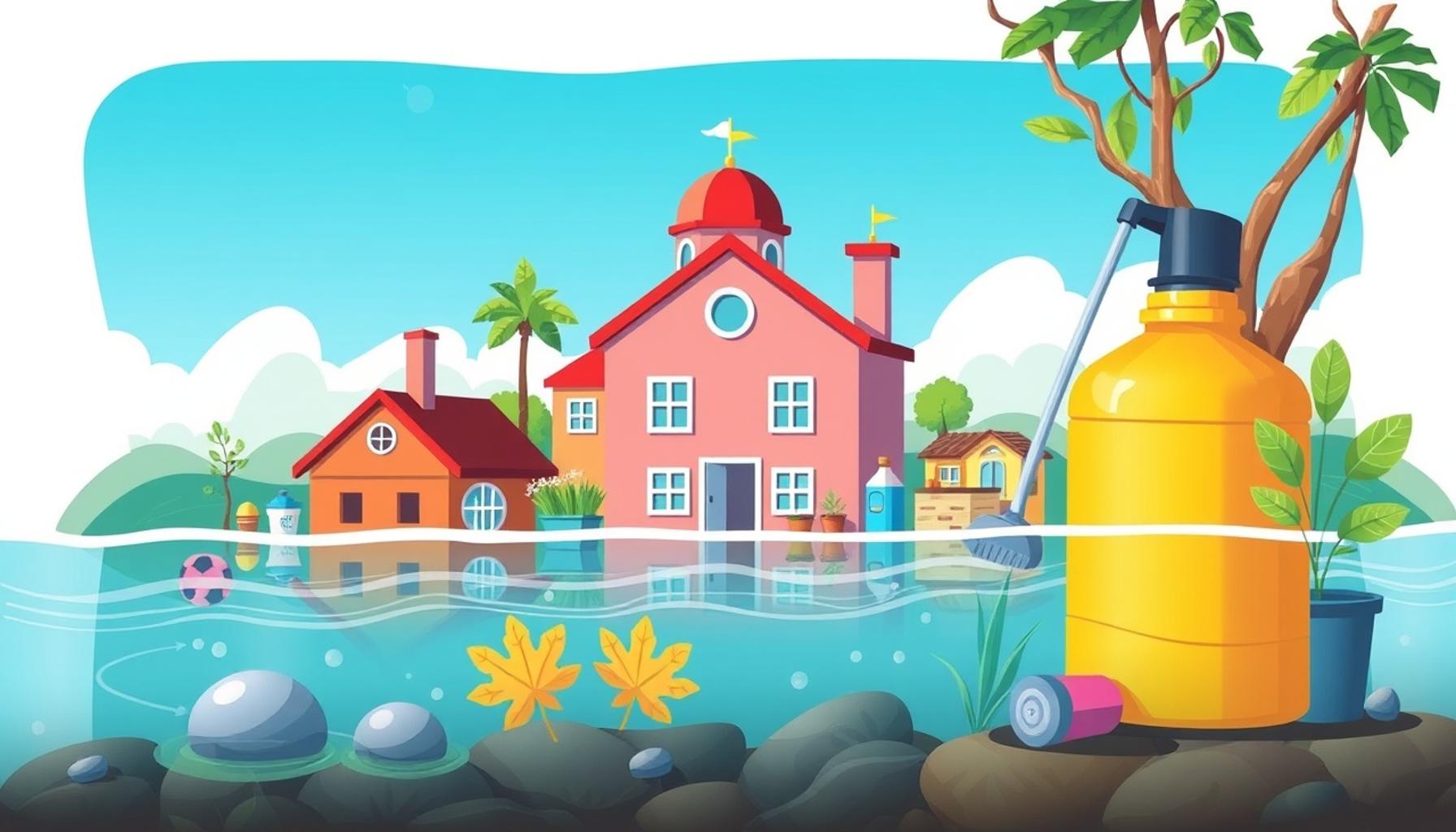
The Need for Water Conservation
The escalating concern over climate change and its consequences have put a spotlight on every aspect of our daily lives, including the methods we use to clean our clothes. Many people may not realize that conventional laundering can have a significant impact on water consumption. In fact, traditional washing machines can use as much as 40 gallons of water per load. This staggering figure becomes even more alarming when you consider the cumulative effect of millions of laundry loads being washed every day across the United States.
The Advantages of Dry Cleaning
On the other hand, dry cleaning has emerged as a more sustainable and water-friendly alternative. Unlike typical laundry processes that rely heavily on water, dry cleaning utilizes specialized solvents to gently dissolve stains and clean fabrics without the need for water. This innovative method not only conserves water but also protects garments, often leaving them looking fresh and new for a longer time.
Advanced Technologies in Dry Cleaning
One of the remarkable advancements in this field is the development of modern dry cleaning systems that are designed to be environmentally friendly. Many of these systems have incorporated recycling technologies that reuse cleaning solvents instead of discarding them after a single cycle. By recycling these solvents, establishments can minimize waste and promote a more sustainable cleaning process. As an example, some state-of-the-art dry cleaners have reported conserving up to 80% of the solvents they use, further highlighting the eco-conscious shift within the industry.
The Urgent Need for Change
The urgency to adopt sustainable practices becomes particularly critical when we consider the grim projections regarding global water scarcity. According to the United Nations, as much as two-thirds of the world’s population could be grappling with water shortages by 2025. In this context, embracing alternative methods like dry cleaning isn’t merely a trend; it’s an essential step toward conserving our most precious resource.
The Future of Laundry and Water Conservation
As consumers become increasingly aware of their environmental footprint, the demand for sustainable cleaning methods will likely grow. It’s crucial for individuals to educate themselves about how dry cleaning techniques align with broader ecological goals. From minimizing water usage to maintaining fabric longevity, the impacts of these methods extend far beyond the laundromat. The intertwining challenges of climate change and resource depletion underscore the importance of exploring innovative cleaning solutions. Every small choice—whether opting for less conventional laundering or choosing an environmentally responsible dry cleaner—can collectively lead to a significant positive change for our planet.
DISCOVER MORE: Click here to learn about eco-friendly cleaning solutions
The Environmental Impact of Traditional Laundry
As the global population grows and urban centers expand, the pressure on water resources intensifies. Traditional laundry practices contribute significantly to this strain, with each household wash utilizing substantial volumes of water. The typical washing machine may consume 30 to 40 gallons of water per load, which is a considerable amount when multiplied across millions of households. In addition to water usage, the energy required to heat this water further exacerbates environmental challenges, leading to increased carbon emissions.
Furthermore, the wastewater generated from conventional laundry often contains detergents and microfibers that can contaminate local water systems, harming aquatic life and disrupting ecosystems. The alarming fact is that over 500,000 tons of microfibers are estimated to enter the oceans annually, a consequence of washing synthetic fabrics. This creates a complex web of environmental challenges, making it imperative that we re-evaluate our cleaning practices.
How Dry Cleaning Contributes to Water Conservation
In stark contrast, dry cleaning significantly diminishes the amount of water needed for clothing maintenance. The method employs solvents, traditionally perchloroethylene (commonly referred to as “perc”), or more eco-friendly alternatives that work effectively without relying on water. This approach not only cuts down on water consumption but also reduces wastewater. The relationship between dry cleaning and water preservation can be encapsulated through the following benefits:
- Water Usage Reduction: Dry cleaning typically uses less than 5 gallons of solvent per load, marking a dramatic reduction in water usage.
- Less Environmental Contamination: As dry cleaning generates significantly less wastewater laden with harmful chemicals, its impact on local ecosystems is minimized.
- Improved Fabric Care: The gentle nature of dry cleaning solvents prolongs the life of fabrics, reducing the frequency of purchases and, accordingly, washing.
The shift towards dry cleaning techniques isn’t solely an environmental consideration; it’s also an opportunity for consumers to engage in responsible choices that contribute to the greater good. By minimizing water consumption and protecting natural ecosystems, dry cleaning offers a sustainable alternative that lifestyle demands increasingly require.
Beyond the Benefits: The Responsibility of the Consumer
With a clearer understanding of the pressing need for sustainable water practices, consumers are tasked with the responsibility of making informed choices. Recognizing the benefits of dry cleaning techniques will empower individuals to opt for water-conserving solutions in their clothing care routines. As the world continues its pursuit of effective water conservation strategies, embracing dry cleaning is one step towards a more responsible and sustainable future.
The shift towards dry cleaning techniques is not just a fashion statement but a crucial movement towards sustainability and conservation of our precious water resources. Traditionally, conventional laundry methods consume significant amounts of water and energy, particularly in repeated washes. However, dry cleaning presents a wiser alternative, utilizing innovative technologies that minimize water usage while maintaining garment quality. By implementing these modern techniques, we can significantly reduce water waste and the environmental footprint associated with textile care.
Dry cleaning methods like solvent-based cleaning replace water with environmentally friendly solvents, ensuring that garments are cleaned thoroughly without the need for excessive water. This process is efficient, not only in cleaning but also in ecological impact. It avoids the water pollution associated with conventional washing, wherein detergents and chemicals can leach into water systems, affecting marine life and ecosystems. The potential to apply biodegradable solvents further highlights the sustainability factor, creating a cleaner environment and showcasing how ethical consumerism can flourish through responsible cleaning practices.
Moreover, embracing dry cleaning techniques contributes to energy conservation. Conventional laundry requires substantial energy for heating water, while dry cleaning uses less energy overall, particularly in the drying process. This complementary relationship between energy and water conservation underscores the transformative role of dry cleaning in preserving our environmental resources. Using dry cleaning responsibly fortifies the demand for eco-conscious practices in everyday living and signals a broader commitment to sustainability in the fashion and textile industry. The rising popularity of these methods demonstrates consumer awareness, unlocking potential benefits for both individuals and the planet.
| Advantage | Details |
|---|---|
| Water Conservation | Minimizes water usage compared to traditional washing methods. |
| Reduced Pollution | Helps avoid chemicals contaminating water sources. |
The advantages of dry cleaning extend beyond immediate textile maintenance, emphasizing an essential shift toward conscientious consumer choices aimed at protecting water resources and the environment. As awareness grows, we are poised to witness a transformation in both industry practices and personal habits that recognize the significance of preserving Earth’s dwindling resources for future generations. This evolution not only delights eco-conscious consumers but sets the stage for a more sustainable future across the fashion landscape.
LEARN MORE: Click here for insights on how clutter affects home safety
Championing Eco-Friendly Practices in the Dry Cleaning Industry
As awareness around environmental issues grows, dry cleaning establishments are increasingly adopting innovative, eco-friendly methods that enhance water conservation further. Many modern dry cleaners now utilize CO2 cleaning technology, which employs carbon dioxide in a liquid state as a cleaning solvent. This method not only conserves water but also boasts an extremely low environmental impact. Notably, CO2 cleaning generates about 90% less waste compared to traditional methods, making it a breakthrough in sustainable dry cleaning.
Moreover, advancements in machinery and cleaning solutions have allowed dry cleaning processes to become more efficient. For example, new washing machine technologies utilize advanced filtration systems to recycle solvents, ensuring minimal waste output. This not only fosters water preservation but also maximizes the lifespan of the cleaning solvents, ultimately reducing operational costs for laundry businesses.
Consumer Education and Engagement
Understanding the benefits of these modern dry cleaning techniques is integral for consumers. Engaging with dry cleaners that prioritize eco-friendly practices empowers individuals to make conscientious choices. Educating the local community about the water-saving capabilities of dry cleaning can lead to a ripple effect; as more people gravitate toward sustainable services, the cumulative impact on water conservation becomes significant.
Furthermore, the industry can utilize social media platforms to disseminate information about the advantages of eco-friendly dry cleaning practices. Campaigns showcasing real-life case studies, testimonials, and compelling data can help underscore the immediate benefits of switching from traditional laundry to dry cleaning solutions. For instance, sharing statistics, such as the approximate 250 billion gallons of water saved annually if every household opted for dry cleaning, can motivate families to reconsider their laundry routine.
The Economic Implications of Sustainable Choices
Alongside environmental concerns, the economic implications of adopting dry cleaning techniques should not be overlooked. As consumers demand more sustainable products and services, businesses that pivot towards eco-friendly options can enhance their market appeal. According to market research, businesses emphasizing sustainability are more likely to attract customers, particularly younger generations who prioritize environmental consciousness in their purchasing decisions.
The shift towards dry cleaning offers robust growth potential for laundries seeking to differentiate themselves in a competitive market. With many consumers willing to pay a premium for environmentally friendly services, it stands as a lucrative opportunity for both small businesses and larger dry cleaning chains. The global green laundry market is projected to reach billions in revenue, attributing substantial importance to operators pledging to water conservation and sustainability.
Ultimately, the relationship between eco-friendly dry cleaning and water conservation reveals a broader narrative on responsible consumerism. The choices made in clothing maintenance play a significant role in both water preservation and economic vitality. As knowledge spreads about the ecological advantages of dry cleaning, it will be easier to advocate for practices that not only safeguard invaluable water resources but also promote a forward-thinking economy, paving the way towards sustainable living.
DIVE DEEPER: Click here to learn about air quality’s impact on home safety
Conclusion: A Sustainable Future with Dry Cleaning
In summary, the significance of using dry cleaning techniques to preserve water resources is increasingly clear in our pursuit of a sustainable future. The advancements in eco-friendly practices and technologies in the dry cleaning industry not only mitigate the environmental impact but also underscore the pivotal role that businesses and consumers play in water conservation. By incorporating methods like CO2 cleaning technology and enhancing operational efficiencies, the dry cleaning sector illustrates a proactive approach to reducing water usage.
Consumer awareness and engagement are essential to amplify the impact of sustainable practices. As communities become informed about the profound water savings associated with dry cleaning—estimated to conserve approximately 250 billion gallons of water annually—individuals are better equipped to make conscious choices. This increased demand for eco-friendly services can steer the industry toward practices that uphold environmental integrity while meeting consumer preferences.
The economic incentives further bolster this transition, as businesses that embrace sustainability not only enhance their market appeal but also contribute to a thriving, responsible economy. By aligning with eco-conscious values, dry cleaning operators can attract a growing demographic of environmentally aware consumers willing to invest in sustainable services.
Ultimately, the choice to utilize innovative dry cleaning techniques is more than a mere laundry option; it represents a collective commitment to preserving vital water resources. As we collectively champion sustainable living, the integration of dry cleaning practices can indeed pave the way for a more resilient and environmentally-friendly future.

Linda Carter
Linda Carter is a writer specializing in efficient house cleaning and maintenance. With extensive experience helping readers keep their homes clean, organized, and well cared for, Linda shares practical guidance on cleaning routines, household upkeep, stain removal, and time-saving methods. Her goal is to provide simple tips and effective strategies that make home care easier, faster, and more manageable.