Childproofing Your Home During Cleaning Routines
Ensuring a Clean and Safe Environment
Cleaning your home should invigorate the mind and spirit. However, when young children are in the mix, this seemingly simple task can turn into a complex juggling act. Children possess a boundless curiosity, leading them to explore every nook and cranny. As such, it’s crucial to balance your cleaning routine with implementing steps that ensure their safety. Creating a childproof environment while maintaining hygiene will not only keep your home pleasing but also protect your little ones.
Understanding Potential Hazards
One of the primary concerns when cleaning around children is the potential hazards posed by cleaning products. Many conventional cleaners, detergents, and sprays contain toxic chemicals that can lead to severe health issues if accidentally ingested or even inhaled. According to the American Association of Poison Control Centers, cleaning agents are among the top causes of poisonings involving young children. Therefore, understanding what you bring into your home is paramount.
Safe Storage Solutions
To mitigate danger, storing cleaning supplies out of children’s reach is a non-negotiable rule. High cabinets equipped with childproof locks are a practical solution, as they make it nearly impossible for little hands to gain unsupervised access. Additionally, using storage bins that are designed with child safety in mind can help keep household products securely stowed. Consider implementing a system similar to “above-the-reach” storage where only adults can access potentially harmful items. Not only does this protect children, but it helps to instill cleaning discipline as well.
Opting for Child-Friendly Alternatives
Shifting to natural or eco-friendly cleaning products is another viable option. Many families have found success by switching to items made with ingredients like vinegar, baking soda, and essential oils. These products are often just as effective as their chemical counterparts, and research shows they pose significantly fewer risks to children. From biodegradable soap to vinegar-based glass cleaners, alternatives abound that support a green cleaning initiative. Not only do they help you maintain a clean home, but they are also safer for the planet, making them a win-win solution.
Finally, it’s important to evaluate where cleaning tools such as brooms, mops, and vacuum cleaners are stored. These items can transform into intriguing playthings for a child. By ensuring these are tucked away after use, you reduce the chance of accidents. Teaching children about the tools you use and involving them in non-hazardous cleaning activities can foster a sense of responsibility, leading to a more aware future generation.
By implementing these simple yet effective childproofing strategies during your cleaning routines, you create a safe environment for your children to explore, learn and play. As you dive into the cleaning process, keep in mind that safety and cleanliness can coexist harmoniously. Embrace the joy of a sparkling home knowing that it is secure for your little ones. Through understanding and proactive measures, you can create a sanctuary that nurtures both health and happiness.
DISCOVER MORE: Click here to learn about eco-friendly cleaning solutions
Creating a Safety-Conscious Cleaning Regimen
As you embark on your cleaning journey, it’s essential to recognize that the cleaning products and tools you use may hold hidden dangers for your little ones. By fostering an environment where safety is prioritized, you can transform routine tasks into opportunities for teaching children valuable habits while simultaneously ensuring their well-being.
Identifying Common Risks
When assessing the cleaning landscape within your home, it’s important to identify common risks that can arise during your cleaning routines. Various household items and practices can present potential hazards:
- Cleaning Powders and Sprays: While effective, many of these products often contain volatile organic compounds (VOCs) that can irritate a child’s respiratory system.
- Electric Cleaning Tools: Vacuum cleaners, steam mops, and other devices can pose tripping hazards or cause injury if mishandled.
- Dirty Cleaning Cloths: Old rags or mops harbor germs and bacteria that could lead to illness if mistaken for play items.
- Scented Candles and Air Fresheners: Many of these products can be toxic, causing allergic reactions or poisoning if ingested.
Recognizing these potential hazards is the first step in developing a cleaning routine that accounts for the curious nature of children. Each year, thousands of emergencies related to household cleaning products are reported, amplifying the urgency to prioritize safety. For example, the National Capital Poison Center indicates that products such as laundry detergents have led to significant surges in calls related to child exposure—many being children under the age of 5.
Establishing a Cleaning Schedule
Additionally, developing a structured cleaning schedule can minimize the times when cleaning products are accessible and maximize safety. By designating specific times for your cleaning tasks when children are napping or engaged with a caregiver, you can concentrate on getting the job done without distractions. Children are naturally drawn to the excitement of new activities, meaning they might unintentionally stray into your zone of cleanliness.
Making a checklist of your cleaning tasks can help streamline your process and allow you to keep the focus on safety, which could include:
- Checking that all products are sealed and stored immediately after use.
- Designating a cleaning zone where children are not permitted during cleaning.
- Keeping a supply of child-friendly cleaning tools for your little ones to engage with during safe activities.
By integrating strategic planning into your cleaning routines, you can establish a proactive approach that emphasizes both cleanliness and safety. The harmony between the two not only fosters a nurturing environment for your children but also helps to cultivate lifelong cleaning habits as they grow. Remember, safety is not just an afterthought; it should be woven into the fabric of your cleaning strategy, making every scrub and sweep a step towards protecting your family.
| Safety Measures | Impact on Child Safety |
|---|---|
| Cabinet Locks | Prevent access to cleaning supplies, ensuring hazardous materials are out of reach. |
| Corner Guards | Minimize injury risks from sharp furniture corners as children move around during cleaning. |
| Non-toxic Cleaners | Reduce risk of chemical exposure; safer for families and pets alike. |
| Area Routines | Creating child-free zones during cleaning ensures their safety while maintaining a tidy home. |
Incorporating effective safety measures into your cleaning routines can significantly impact the environment of your home, especially when children are present. Utilizing cabinet locks not only deters little hands from accessing dangerous cleaning supplies but also brings peace of mind to parents while tidying up. Similarly, using corner guards provides an essential layer of protection against potential injuries caused by sharp furniture edges that are often overlooked during cleaning.The selection of non-toxic cleaners fosters a safer space for the entire family, mitigating the risk of chemical exposure. Furthermore, establishing area routines that prioritize child-free zones can maximize safety and allow caregivers to focus on household cleanliness without worry. These measures collectively contribute to a well-rounded approach to childproofing your home during cleaning, balancing both safety and efficiency in your daily routine.
DISCOVER: Click here for tips on creating an efficient cleaning schedule
Implementing Child-Safe Cleaning Practices
Once you have identified potential hazards in your cleaning routine, the next step is to implement child-safe cleaning practices that suit your home environment. This can significantly reduce the risk of accidental exposure and create a safer space for your young children to thrive in. Here are some effective methods to ensure your cleaning process remains child-friendly.
Choosing Non-Toxic Cleaning Products
One of the most impactful decisions you can make as a parent is selecting non-toxic cleaning products. Many conventional cleaning solutions contain harsh chemicals that are not only harmful to kids if ingested, but can also release hazardous vapors that may cause respiratory issues. The U.S. Environmental Protection Agency (EPA) offers guidance on safer product alternatives that are effective and minimize risks.
Brands that focus on environmentally friendly, biodegradable products are widely available. Moreover, consider making your own cleaning solutions using simple ingredients like vinegar, baking soda, and soap. This not only reduces exposure to harmful chemicals but also sets an excellent example for your children on green cleaning practices.
Utilizing Proper Storage Solutions
Even the safest products must be stored correctly. Ensure that all cleaning supplies are kept out of reach of your children. Use cabinets that can be locked or secured, preventing curious hands from accessing dangerous items. Consider utilizing high shelves or cabinets that need a step stool for access. It’s advisable to place items in their original packaging, as safe storage solutions can significantly decrease the chances of accidental ingestion.
Employing Child-Safe Cleaning Tools
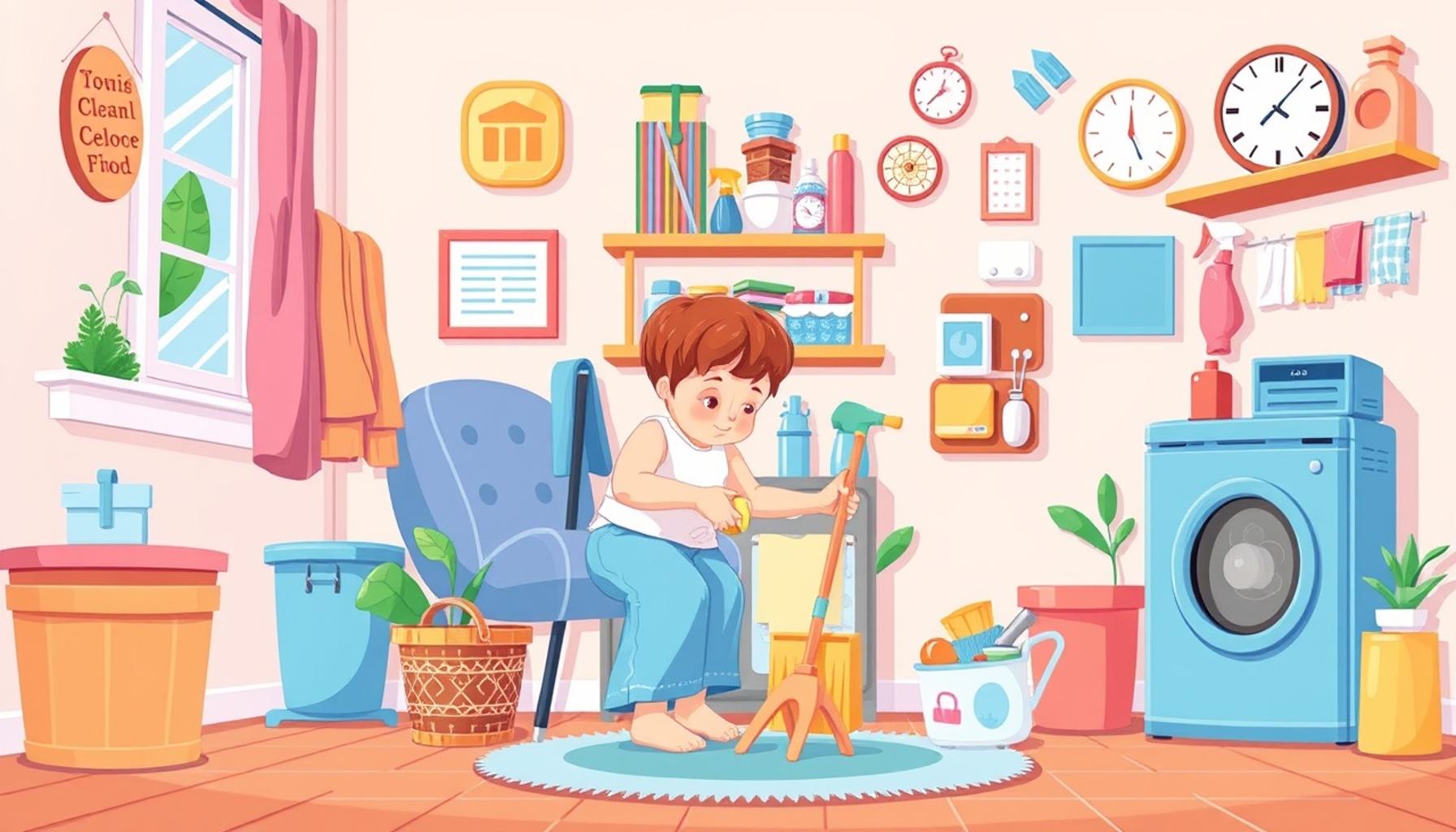
Integrating child-safe cleaning tools into your cleaning routine can also serve as both an engagement method for your children and a means for them to learn about cleanliness. Look for cleaning supplies that are specifically designed for children, such as toy brooms and sponges. Teaching them how to help with simple chores fosters responsibility and enhances their understanding of household cleanliness.
Moreover, engaging your children in your cleaning efforts can redirect their curiosity from potential hazards to constructive tasks. For instance, they can assist you with sorting laundry or wiping down surfaces with a damp cloth, thereby instilling a sense of accomplishment while promoting safety.
Practice Regular Safety Drills
Another effective strategy is to hold regular safety drills that emphasize the importance of staying safe during cleaning routines. Use these opportunities to explain to your children what they should and shouldn’t touch. Introduce them to any safety measures you’re implementing, such as locked cabinets or when certain areas are off-limits during cleaning times.
In this way, not only do you reinforce the message of safety, but you also empower them with knowledge. Understanding why certain items are dangerous can cultivate a sense of awareness and reduce risk factors as they grow older.
Implementing these practices into your cleaning routines requires commitment; however, the safety and well-being of your children will always take precedence. With well-planned attention and proactive measures, you can transform the cleaning process into a seamless and educational experience for both you and your little ones.
DISCOVER MORE: Click here for tips on creating an efficient cleaning schedule</
Conclusion
Childproofing your home during cleaning routines is an essential practice that prioritizes the safety and well-being of your young children. As parents, understanding and mitigating the risks associated with cleaning supplies and methods is not just a precaution—it’s a proactive stance in nurturing a safe environment. By choosing non-toxic cleaning products, you reduce the harmful exposure to chemicals that can jeopardize your child’s health. Meanwhile, utilizing proper storage solutions transforms your housekeeping into a secure process, ensuring that cleaning agents are safely out of reach.
Moreover, embracing child-safe cleaning tools not only allows children to participate in the household chores but also instills a sense of responsibility and understanding about cleanliness from an early age. This engagement can redirect their curiosity from potential hazards to constructive experiences. Regularly practicing safety drills, where children are educated on what to avoid and why, fosters a greater awareness of their surroundings, reducing risks as they grow older.
Ultimately, the journey of childproofing your cleaning routines is an ongoing one that demands attention, creativity, and commitment. By integrating these strategies into your home, you transform a mundane task into a shared, educational experience. Take the steps to ensure that cleaning not only achieves cleanliness but also contributes to a safer, nurturing space where your children can explore and thrive. Embracing this approach will illuminate a path towards a safer living environment for everyone and can lead to inspiring conversations about health, safety, and sustainability in your family.

Linda Carter
Linda Carter is a writer specializing in efficient house cleaning and maintenance. With extensive experience helping readers keep their homes clean, organized, and well cared for, Linda shares practical guidance on cleaning routines, household upkeep, stain removal, and time-saving methods. Her goal is to provide simple tips and effective strategies that make home care easier, faster, and more manageable.