Safety Tips for Organizing Cleaning Supplies and Tools
Understanding the Importance of Proper Organization
Cleaning supplies are integral to upholding a hygienic and welcoming environment in our homes. However, improper organization can transform these seemingly benign items into sources of danger. According to the American Association of Poison Control Centers, millions of poisonings occur each year, many involving household cleaning products. Thus, employing effective organizational strategies not only enhances safety but also fosters a more efficient cleaning routine.
Key Safety Tips for Organizing Cleaning Supplies
To minimize risks associated with cleaning products, implementing the following safety tips is crucial:
- Label Containers: Use clear, descriptive labels on all cleaning supplies. For instance, instead of labeling a bottle simply “cleaner,” use “toilet bowl cleaner” to specify its intended use. This eliminates any possibility of misuse, especially in households with children.
- Store High Up: Keep hazardous materials out of the reach of children and pets. Utilize upper shelves or locked cabinets for items such as bleach and ammonia-based cleaners. Safety locks can add an extra layer of security.
- Ventilation: Organize and utilize cleaning products in well-ventilated spaces, such as windows, to minimize inhalation of toxic fumes. Consider opening windows or using fans when cleaning to promote air circulation and decrease indoor air pollution.
Enhancing Cleaning Efficiency through Organization
A well-ordered cleaning supply area can dramatically increase your efficiency. Here are additional tips to enhance your cleaning routine:
- Usage Frequency: Store frequently used items, like multi-surface cleaners or sponges, in easily accessible locations. Using a caddy can help you transport these supplies with ease, facilitating a more rapid cleaning process.
- Compatibility: Group related items together. For example, keep mops, brooms, and dustpans united in one space, while detergents and fabric softeners should be stored with laundry supplies. This reduces time spent searching for the right tool when the need arises.
- Temperature: Some cleaning agents perform best under specific storage conditions. For instance, many products should not be stored in extreme temperatures or direct sunlight. Always refer to the product label for optimal storage conditions to maintain effectiveness.
By incorporating these safety tips into your organization routine, you can create a home environment that prioritizes both safety and efficiency. Ample organization not only protects you and your loved ones but also transforms the chore of cleaning into a more streamlined and pleasant task. The next sections will delve deeper into detailed strategies and innovative solutions for effectively managing your cleaning supplies, helping you discover new ways to enhance your home maintenance routine.
DON’T MISS OUT: Click here to learn how regular maintenance can keep your home safe
Effective Strategies for Safe Storage
Organizing cleaning supplies efficiently is not just about aesthetics; it is a fundamental component of household safety. When cleaning agents are strewn about haphazardly, the risk of accidental exposure or misuse increases significantly, especially in homes with children or pets. Here are several effective strategies to consider when organizing your cleaning supplies:
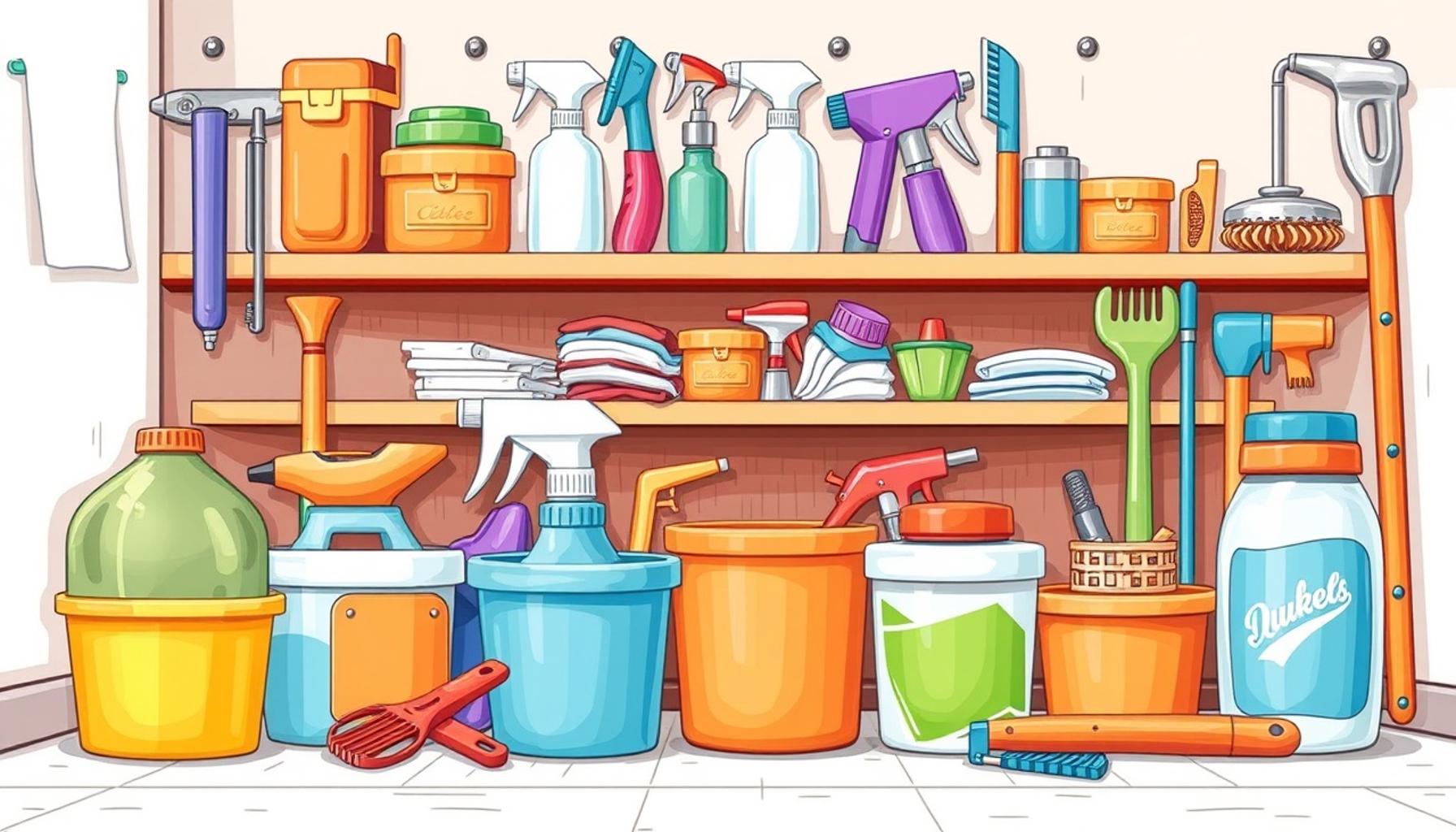
- Use Clear Storage Bins: Choose transparent containers to store your cleaning supplies. This allows for easy visibility of the contents, ensuring you can quickly locate specific items without rummaging through clutter. Consider bins with lids to protect against spills and keep supplies from becoming contaminated.
- Centralized Cleaning Station: Designate a specific area, such as a utility closet or designated shelf, for all cleaning supplies. Having a centralized location minimizes the risk of losing track of hazardous products and streamlines your cleaning process. Ensure it is a space that is out of reach of children.
- Childproofing Measures: In families with young children, it’s essential to childproof your cleaning supply storage. Invest in safety latches or cabinet locks to prevent curious little hands from accessing potentially harmful substances. Even common household items like vinegar or baking soda can be misused if not stored properly.
Furthermore, awareness of the hazards associated with various cleaning products is essential. The Environmental Protection Agency (EPA) highlights that many household cleaners contain toxic chemicals that can be harmful upon contact or inhalation. It is imperative to understand the potential dangers associated with your supplies—especially when mixing products, as certain combinations can produce harmful gases.
Understanding Product Safety Information
Every cleaning product comes with a Safety Data Sheet (SDS), which provides crucial information about the chemical properties, hazards, and safety measures associated with that specific cleaner. Familiarizing yourself with these details can assist in mitigating risks and preparing for emergencies. When organizing your supplies, place SDS documents in a clearly marked folder within your cleaning storage area. This practice allows quick access to vital safety information when needed.
Proper Disposal of Cleaning Products
Another often-overlooked aspect of organizing cleaning supplies is the safe disposal of unused or expired products. Many household cleaners contain hazardous substances, and improper disposal can pose environmental risks. Utilize your local waste disposal guidelines to find out how to safely get rid of unwanted cleaning products. Some communities offer hazardous waste disposal events or designated collection sites to handle these items responsibly.
By adopting these strategies for safe storage, you will not only minimize potential hazards but also create a more efficient and organized cleaning routine. Remember, a clutter-free space contributes to a clutter-free mind, making your cleaning tasks easier and safer. As we explore further sections of this article, we will delve into additional innovative approaches to enhance your cleaning supply organization and safety measures.
| Category | Advantages |
|---|---|
| Proper Storage Solutions | Organizing cleaning supplies in clear, labeled containers reduces the risk of accidents and makes it easier to find essential items quickly. |
| Safety Compliance | Following regulations for storing hazardous materials ensures that you comply with safety standards, protecting you and your family from harm. |
| Child-proofing | Storing cleaning supplies out of reach or in child-proof containers significantly reduces the risk of accidental poisonings and ensures a safe home environment. |
| Inventory Management | Regularly managing your inventory of cleaning supplies can prevent product overstock and expiration, leading to a healthier cleaning routine. |
Organizing cleaning supplies effectively not only enhances safety but also promotes a more efficient cleaning routine. Utilizing tips such as proper storage solutions and child-proofing provides practical measures to mitigate risks. Moreover, by ensuring safety compliance with regulations related to hazardous materials, you are making responsible choices for you and your family. Take the time to review your inventory regularly, preventing potential hazards that could arise from using expired products. These simple yet effective strategies contribute significantly to maintaining a safe and clean home environment.
LEARN MORE: Click here to discover how to create a safer home
Prioritizing Labeling and Inventory Management
Maintaining an organized space for cleaning supplies extends beyond just safe storage; it incorporates effective labeling and systematic inventory management. In a bustling home environment where various cleaning tasks are executed, mislabeling or neglecting to keep an inventory can lead to hazardous situations and confusion. To ensure a more streamlined approach to your cleaning supplies:
- Labeling All Products: Every container, whether it holds bleach or a simple all-purpose cleaner, should be clearly labeled. Use waterproof labels to withstand spills and splashes, ensuring the product’s name and potential hazards are unmistakably visible. For added safety, include emergency contact numbers, such as Poison Control, directly on the container.
- Digital Inventory Systems: Embrace the convenience of technology by using digital inventory management apps or spreadsheets. These tools allow you to track not only what cleaning supplies you have but also expiration dates and storage locations. Maintaining an up-to-date inventory mitigates risks associated with using outdated products and helps to streamline shopping when it’s time to restock.
Understanding Chemical Interactions
The potential hazards associated with cleaning supplies further highlight the need for proper organization. Many cleaning agents contain strong chemicals that, when combined, can create dangerous reactions. For instance, mixing ammonia and bleach produces toxic chloramine vapors, which can lead to respiratory issues and other serious health concerns. By having a thorough understanding of chemical interactions, you can create custom cleaning kits that include supplies designed to work together safely.
Maintaining a printed or digital list of items that should never be mixed can serve as a quick reference when preparing for cleaning tasks. This proactive step minimizes the likelihood of accidental misuse during cleaning sessions when time constraints and distractions may lead to oversight.
Utilizing Safety Gear
To further enhance safety when using cleaning supplies, it’s advisable to keep a set of safety gear stored alongside your cleaning supplies. Items such as gloves, goggles, and masks can provide an extra layer of protection when handling potentially harmful chemicals. Ensuring that this gear is easily accessible and stored within reach will encourage safer cleaning practices. By making safety gear part of your cleaning routine, you not only protect yourself but also set a standard for household members and guests on the importance of taking precautions.
Moreover, consider incorporating eco-friendly and non-toxic cleaning products where possible. There has been a marked shift in consumer behavior towards green cleaning solutions that are less harmful to human health and the environment. As awareness increases regarding the dangers of traditional cleaning agents, embracing naturally derived cleaners can contribute to a safer home environment while also addressing concerns about chemical exposure.
These strategies for organizing and managing your cleaning supplies not only prioritize safety but also cultivate a proactive approach to home wellness. As you refine your organization techniques, the focus on maintaining a safe and accessible cleaning supply inventory will yield benefits far beyond aesthetic improvement. A clear and systematic approach can empower your cleaning efforts while mitigating any associated risks.
DISCOVER MORE: Click here to learn about eco-friendly cleaning supplies
Conclusion: Cultivating a Safer Cleaning Environment
In summary, the importance of safety in organizing cleaning supplies and tools cannot be overstated. By implementing effective labeling and inventory management systems, as well as being mindful of the chemical interactions that can arise, you are taking crucial steps to protect not only yourself but also your loved ones and pets. The establishment of a thoughtful cleaning routine that prioritizes safety will not only streamline your household chores but also foster a safer living space.
Moreover, the inclusion of safety gear such as gloves, goggles, and masks can provide an important barrier against the risks associated with hazardous chemicals. Together with a shift towards eco-friendly cleaning products, you can actively contribute to a healthier home environment that respects both human well-being and our planet.
As you continually refine your organization techniques, consider how these small yet impactful strategies enhance overall household management. Embracing a proactive mindset ensures that the safety of your cleaning supply inventory is at the forefront, as it unfolds into numerous health benefits, peace of mind, and a more efficient cleaning process.
As you revisit your cleaning areas, remember that safety and organization go hand-in-hand. Allow your commitment to these practices to not only inspire you but also motivate others to embrace similar principles. The road to a cleaner, safer home begins with informed choices about the tools and supplies we use every day.

Linda Carter
Linda Carter is a writer specializing in efficient house cleaning and maintenance. With extensive experience helping readers keep their homes clean, organized, and well cared for, Linda shares practical guidance on cleaning routines, household upkeep, stain removal, and time-saving methods. Her goal is to provide simple tips and effective strategies that make home care easier, faster, and more manageable.