The Importance of Properly Storing Cleaning Supplies to Ensure Safety and Effectiveness
Understanding the Importance of Safe Cleaning Supply Storage
When it comes to the realm of cleaning supplies, safety and effectiveness go hand in hand. Improper storage can lead to hazardous situations, endangering both users and the environment. Whether in homes, schools, or workplaces, understanding best practices for storing these products is not merely a precaution; it’s a fundamental responsibility that everyone must embrace.
Considering the critical factors for best practices in storing your cleaning supplies can help prevent accidents and ensure optimal performance:
- Accessibility: Ensuring that cleaning products are easily accessible to responsible individuals—such as adults or trained staff—can significantly streamline cleaning tasks. This becomes pivotal in settings like schools or offices, where prompt cleaning of spills or messes ensures a safe and sanitary environment.
- Temperature Control: Many cleaning products are sensitive to extreme temperatures. For instance, bleach can release harmful fumes when exposed to heat, while some solvents might degrade if kept in cold environments. Maintaining a stable temperature range typically between 50°F to 85°F is essential for preserving product integrity.
- Childproofing: To protect young children from potential harm, it is vital to keep cleaning supplies out of reach. This could mean using cabinet locks or storing products in high places. According to the American Association of Poison Control Centers, thousands of children each year are treated for poisoning due to accidental exposure to household cleaners.
- Labeling: Clearly labeling containers is crucial for promoting safety and preventing misuse. Color-coded labels can be especially helpful, allowing individuals to quickly identify the contents of a container and understand any associated hazards. This practice is not only vital for home environments but also in workplaces where multiple people may be handling various supplies.
In the United States, the improper disposal of cleaning chemicals presents significant environmental challenges. Many household products contribute to hazardous waste, which necessitates caution and awareness. For instance, pouring cleaners down the drain can introduce toxic substances into municipal water systems, leading to pollution. Thus, adhering to local regulations regarding waste disposal is critical.
Beyond safety, proper storage also plays a vital role in maintaining the effectiveness of cleaning supplies. Exposure to air, moisture, or sunlight can lead to degradation. For example, exposing multi-surface cleaners to direct sunlight can cause their active ingredients to break down, rendering them less effective. As a result, users may find themselves using more product to achieve the same clean results, leading not only to increased costs but also to waste.
Ultimately, understanding the importance of properly storing cleaning supplies is crucial for fostering a safe environment and ensuring product effectiveness. By implementing these best practices, individuals can reduce risks, support environmental standards, and maximize the performance of their cleaning products. Join us as we delve deeper into comprehensive guidelines and tips that can help you maintain a secure and functional cleaning supply inventory.
DISCOVER MORE: Click here to learn about sustainable dry cleaning
Key Considerations for Storing Cleaning Supplies Safely
When it comes to storing cleaning supplies, there are several critical considerations that users must keep in mind to both protect themselves and enhance the effectiveness of their cleaning products. By adhering to these guidelines, individuals can create a storage environment that not only promotes safety but also maximizes the utility of cleaning agents.
1. Proper Location
Identifying the right location for cleaning supplies is an essential first step. Supplies should be stored in a cool, dry place away from direct sunlight, which can degrade certain chemical compounds. Storage under sinks, while convenient, can expose cleaning products to moisture from plumbing leaks, which may cause degradation or even create hazardous reactions. Instead, consider dedicated storage closets or high cabinets that are both ventilated and out of children’s reach.
2. Respecting Chemical Compatibility
Not all cleaning products play well together. Storing incompatible chemicals near one another can result in dangerous reactions. For example, mixing bleach with ammonia can produce toxic chloramine vapors, which can be hazardous to breathe. To avoid such risks, keep like-products together and store potentially reactive materials separately. A simple way to achieve this is by categorizing cleaning supplies into groups based on their chemical composition, such as acids, alkalis, and oxidizers.
3. Monitoring Expiry Dates
Just like food products, cleaning supplies also have a shelf life. Products that exceed their expiration dates may lose effectiveness, leading to unnecessary waste and increased reliance on larger quantities of a product. Regularly check your cleaning supplies to ensure they are still usable, and follow any disposal guidelines provided by the manufacturer. This practice not only ensures effectiveness but also contributes to the responsible management of household chemicals.
4. Utilizing Original Containers
Storing cleaning products in their original containers is highly recommended. These containers typically come with important safety information, including usage instructions and chemical hazard warnings. Transferring products into unmarked containers can cause confusion and increase the risk of accidental misuse. If you must transfer a product, be sure to label it clearly with the name and any potential hazards. Additionally, using child-resistant caps can provide an extra layer of safety.
By implementing these considerations into your cleaning supply storage routine, you not only promote safety but also ensure that each product remains effective for its intended use. It’s crucial to foster an environment that values responsible handling and storage of chemical products, particularly in homes and public spaces where the risk of exposure is heightened.
As we move forward, understanding the broader implications of storage practices can guide individuals in making informed decisions that contribute to a cleaner, safer world. Stay tuned as we explore additional tips for maintaining a safe and effective cleaning supply inventory.
| Safety Measures | Effectiveness of Cleaning Supplies |
|---|---|
| Correct Placement | Maximizing Potency |
| Storing cleaning supplies in designated areas helps prevent accidents and misuse. | Proper storage ensures that chemicals remain effective over time and do not lose their potency. |
| Child and Pet Safety | Validity of Expiry Dates |
| Keeping hazardous materials out of reach helps protect children and pets from harm. | Regularly checking and adhering to expiry dates ensures the effectiveness of cleaning products. |
Storing cleaning supplies correctly not only enhances safety among household members but also contributes to the maximum effectiveness of the supplies themselves. For instance, many cleaning agents can degrade when exposed to excessive heat or moisture. Therefore, ensuring that these materials are kept in a cool, dry place is of utmost importance. Moreover, some cleaning products contain toxic substances that can become hazardous if not stored properly. Keeping these items in a secure area labeled with appropriate warning signs can significantly minimize the risks of unintentional access. Regularly inspecting storage areas and ensuring that all content is intact will also help in maintaining a safer environment. By understanding these vital aspects, you can enhance both the safety of your cleaning processes and the effectiveness of your cleaning supplies, ensuring a healthier living space for all.
DISCOVER MORE: Click here to learn about eco-friendly cleaning’s effects
Additional Strategies for Safe and Effective Cleaning Supply Storage
Storing cleaning supplies safely and effectively goes beyond basic principles. By incorporating additional strategies into your storage routine, you can further mitigate risks and enhance the efficacy of your cleaning regimen.
5. Implementing the Right Storage Equipment
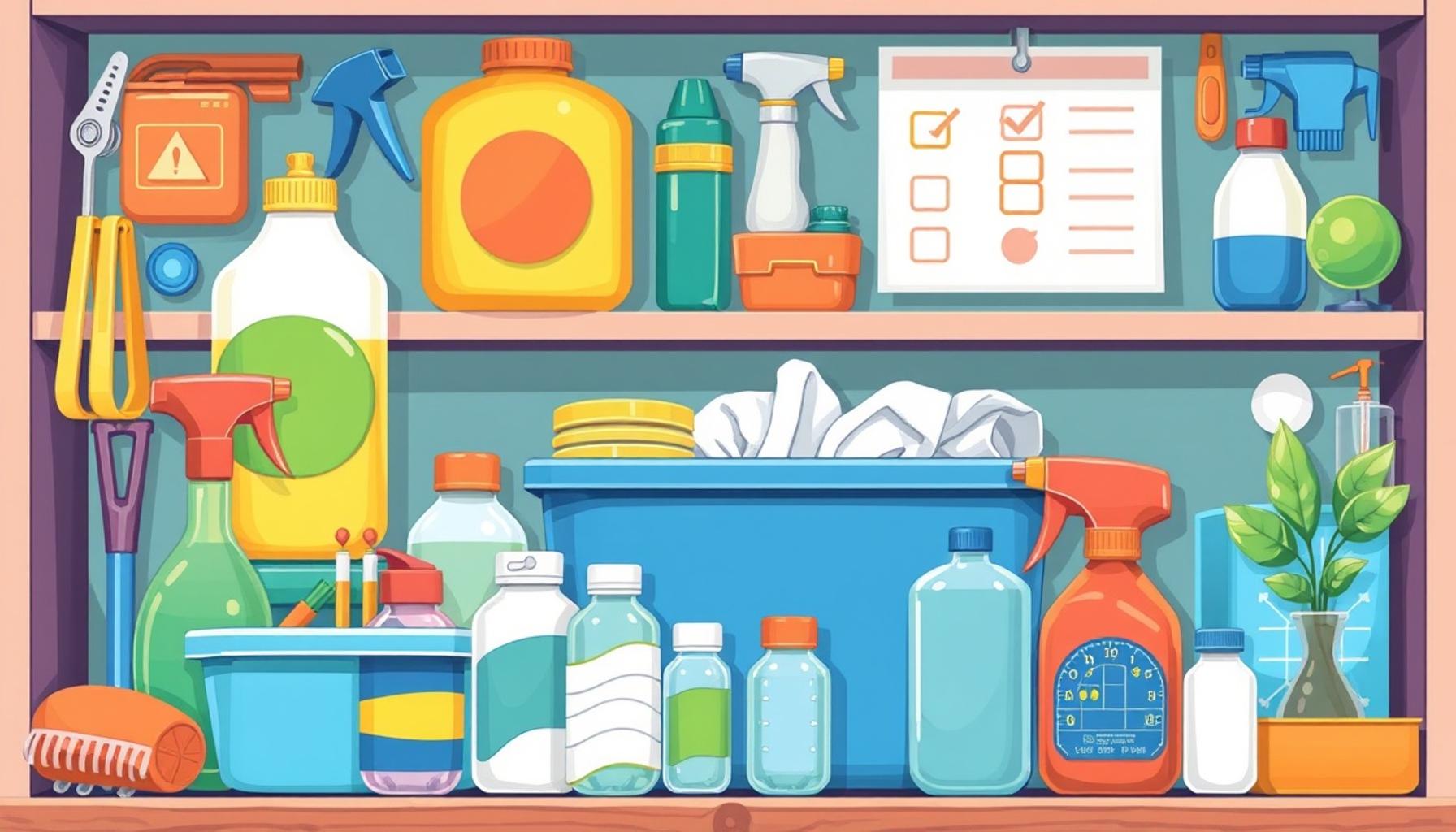
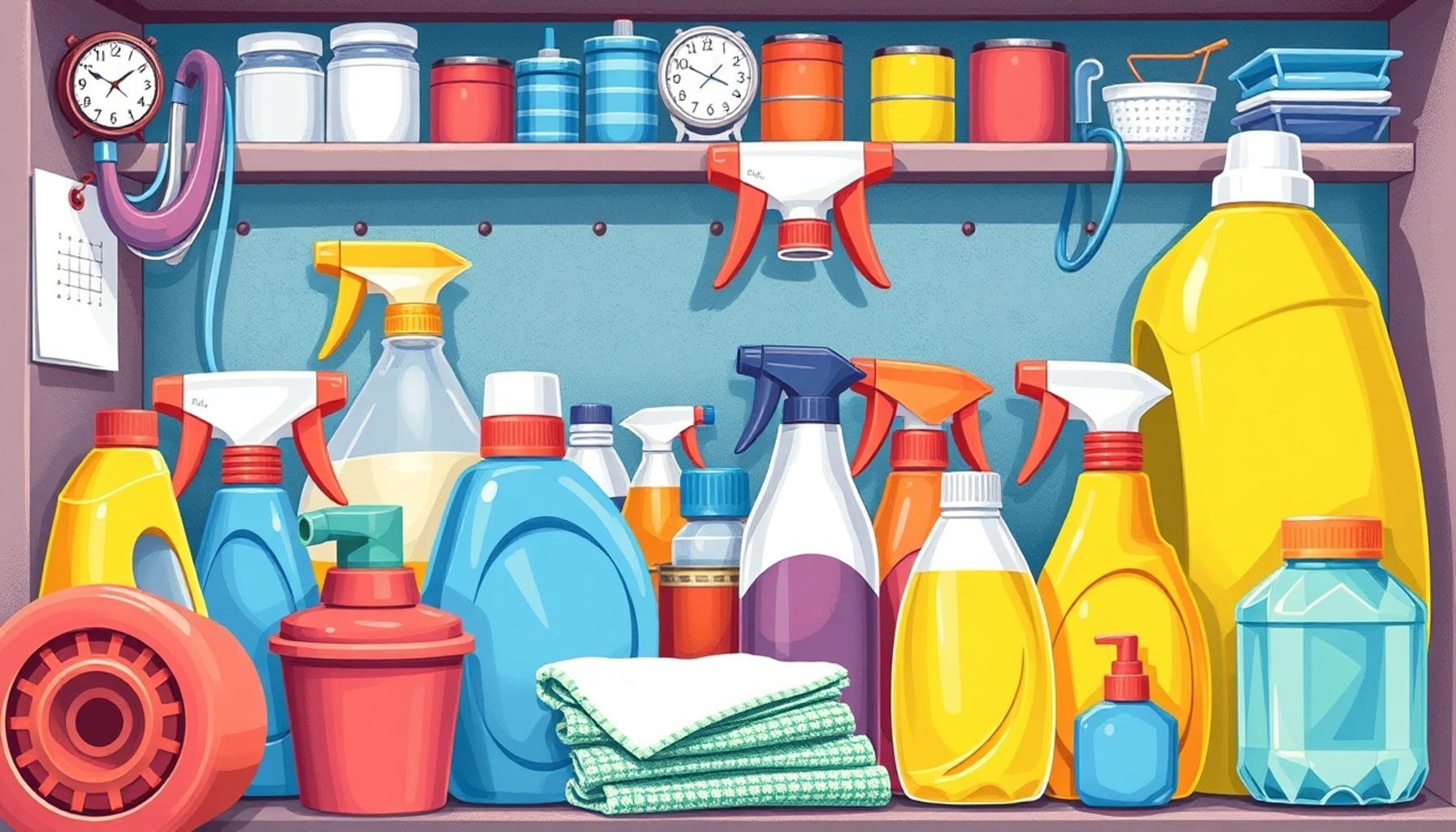
Utilizing appropriate storage equipment can make a significant difference in how cleaning supplies are organized and secured. Consider using adjustable shelves that can accommodate various bottle heights, ensuring stable storage. Moreover, employing container bins for smaller items can keep them organized and prevent spills. Clear labeling on all storage bins can also assist in quickly identifying contents, which is crucial in an emergency situation. For homes with children or pets, a lockable cabinet can serve as an essential barrier, keeping potentially hazardous materials out of unsuspecting hands.
6. Temperature Control
Temperature controls play a pivotal role in maintaining the stability of cleaning products. For optimal performance, most cleaning solutions should be stored at temperatures between 50°F and 86°F. Extreme heat can cause chemical breakdowns, reducing effectiveness, while extreme cold may render certain formulations unusable. Be cautious during peak summer months or winter seasons; a home’s garage, for instance, may experience significant temperature fluctuations that are not suitable for chemical products.
7. Organizing by Frequency of Use
To further streamline your cleaning routine, think about organizing supplies based on how frequently they are used. Store everyday cleaning essentials—like multi-surface sprays and disinfectants—at eye level for quick access. Less commonly used products, such as seasonal mold removers or window cleaners, can be stored higher up. This systematic organization reduces the risk of accidents by minimizing the time spent looking for necessary items, a consideration that is especially relevant during emergencies like cleaning up spills.
8. Ensuring Proper Ventilation
Proper ventilation in the storage area cannot be overstated. Many cleaning products release volatile organic compounds (VOCs) that can accumulate in enclosed spaces, posing health risks. Installing a small fan or ensuring existing ventilation systems are functional can enhance air circulation. If storing products in a basement, consider dehumidifiers to prevent moisture buildup, which can also lead to chemical degradation or mold growth on product containers.
9. Educating All Household Members
Education is a proactive strategy essential to maintaining safety. Everyone within the household should be educated on the importance of cleaning supply storage, including where products are kept and how to use them safely. This knowledge not only protects adults but also arms children with crucial information on the hazards of chemicals. Creating a simple poster summarizing safety guidelines, including “never mix products” or “always close containers tightly,” can reinforce safety messages within the home.
By taking these additional steps to optimize the storage of cleaning supplies, individuals reinforce both safety and effectiveness. As we delve deeper into cleaning practices, consider how small adjustments in storage can lead to significant improvements not only in personal well-being but also in overall household hygiene.
DISCOVER MORE: Click here to find out how to keep your home safe
Conclusion
In summary, the importance of properly storing cleaning supplies cannot be overstated. It serves as the foundation for both safety and effectiveness in household cleaning practices. By adhering to established guidelines and incorporating additional strategies—such as utilizing suitable storage equipment, maintaining temperature control, and ensuring proper ventilation—you reduce the potential hazards associated with cleaning chemicals. Furthermore, organizing supplies by frequency of use streamlines your cleaning routine and minimizes the likelihood of accidents during urgent situations.
Education plays a crucial role in this equation, empowering all household members with knowledge about the risks associated with cleaning supplies and how to handle them safely. By fostering a culture of safety, you not only protect yourself but also those around you, particularly children and pets who may be unaware of the dangers. As we navigate our cleaning practices, it becomes clear that the small adjustments made in storing cleaning supplies can lead to profound enhancements in our overall well-being and household hygiene.
As a final thought, consider periodically reviewing your storage practices to ensure they align with these safety principles. With each proactive step you take, you contribute to a safer, healthier environment that can withstand even the toughest cleaning challenges. Let this knowledge inspire you to elevate your cleaning routines to new heights, maximizing both the effectiveness of your supplies and the safety of your home.

Linda Carter
Linda Carter is a writer specializing in efficient house cleaning and maintenance. With extensive experience helping readers keep their homes clean, organized, and well cared for, Linda shares practical guidance on cleaning routines, household upkeep, stain removal, and time-saving methods. Her goal is to provide simple tips and effective strategies that make home care easier, faster, and more manageable.