
How Regular Maintenance Prevents Home Accidents and Injuries
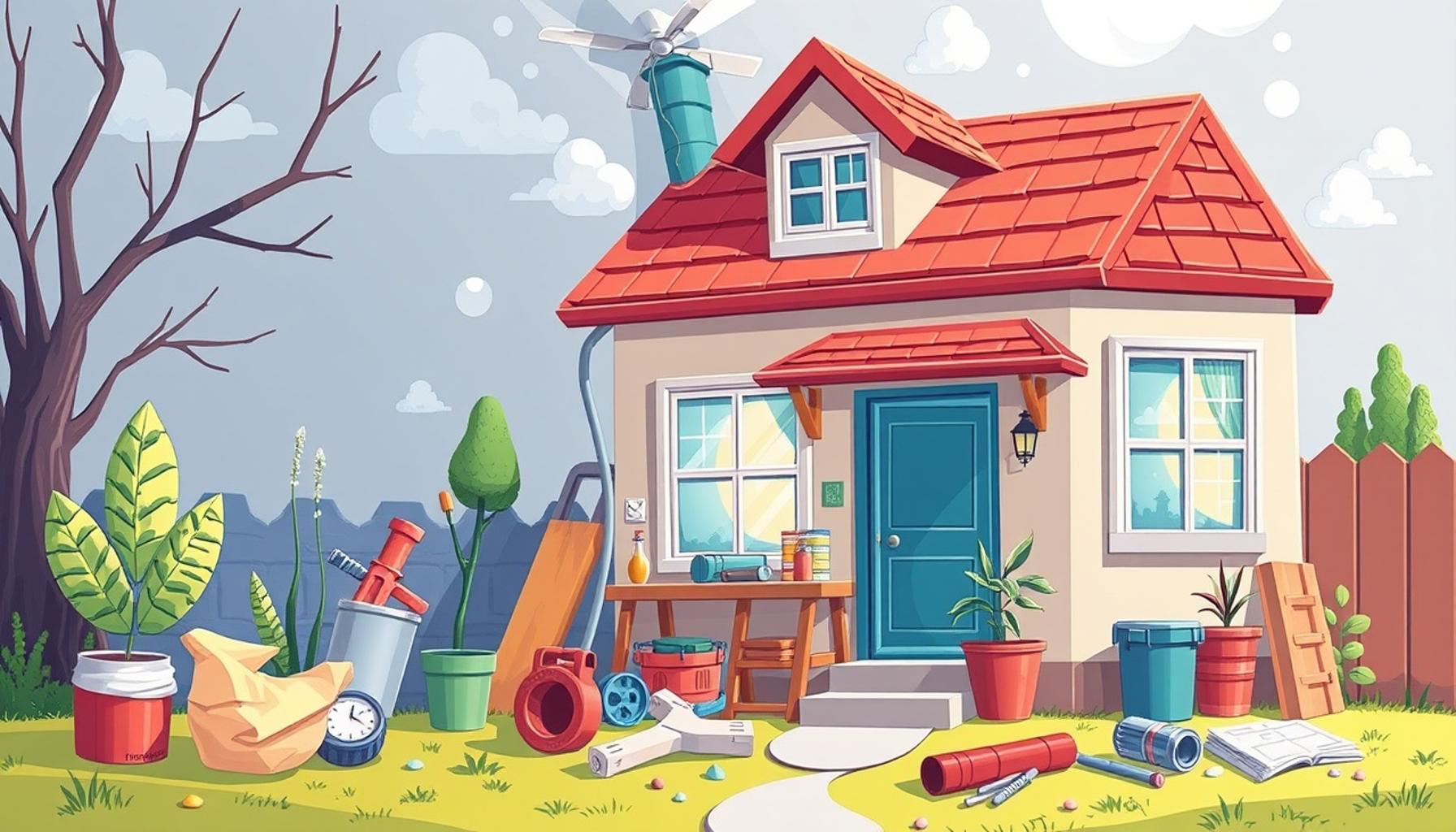
Understanding the Importance of Home Maintenance
Each year, the peace and safety of countless households in the United States are disrupted by avoidable injuries. Statistics show that many of these accidents stem from neglected home maintenance tasks, highlighting the critical nature of regular upkeep. Regular maintenance is essential not only for aesthetic appeal but also for preventing potentially dangerous situations that could arise from minor neglect.
Consequences of Ignoring Minor Issues
- Neglecting small problems can snowball into severe hazards. For example:
- Damaged wiring: Faulty or outdated electrical systems are a leading cause of residential fires. According to the National Fire Protection Association, electrical failures account for over 50,000 home fires each year, resulting in numerous injuries and fatalities.
- Leaky roofs: What starts as a minor drip could eventually lead to significant water damage, attracting mold and mildew which poses health risks, particularly for vulnerable groups like infants and the elderly. In fact, the CDC has noted correlations between mold exposure and respiratory problems.
- Slippery stairs: A loose handrail or uneven steps can lead to serious falls, especially in homes with children or older adults. The Centers for Disease Control and Prevention indicates that falls are the leading cause of injury-related deaths among older adults.
Enhancing Safety Through Regular Checks
- Conducting regular maintenance tasks can help uncover:
- Signs of wear and tear on essential structural components such as foundations, load-bearing beams, and roofing materials, which could compromise the home’s safety.
- Keys hazards within living spaces like outdated or malfunctioning smoke detectors, which the National Fire Protection Association recommends replacing every ten years.
- Older appliances that no longer meet safety standards; the U.S. Consumer Product Safety Commission recommends replacing appliances that have been recalled or that show signs of wear.
Furthermore, tackling these maintenance tasks proactively not only enhances your home’s safety but can also lead to significant savings over time. When problems are identified early, expensive repairs or replacements can often be avoided. Homeowners who routinely assess their properties not only create a safer environment but also improve their overall quality of life. By grasping the fundamental concept of how regular maintenance prevents home accidents and injuries, homeowners take an invaluable step toward safeguarding their families and preserving their homes.
DISCOVER MORE: Click here for eco-friendly cleaning tips
Understanding the Role of Routine Inspections
One of the most effective ways to ensure safety within a home is through routine inspections. These checks focus on identifying potential hazards before they escalate into significant problems. For many homeowners, the sheer volume of tasks associated with home maintenance can be overwhelming. However, regular inspections can provide a structured approach to ensuring that a home remains safe and sound. In fact, nearly 70% of home accidents can be traced back to neglected maintenance issues, according to the National Safety Council.
Key Areas for Routine Inspections
- When conducting regular inspections, homeowners should prioritize the following areas:
- Electrical Systems: Inspecting wiring, outlets, and appliances is crucial. Look for frayed wires, exposed connections, or frequent circuit breaker tripping, which are signs that your electrical system needs professional attention.
- Heating and Cooling Systems: Regular checks on HVAC units can prevent breakdowns that lead to unsafe living conditions and injuries due to extreme temperatures. Moreover, a well-maintained system operates more efficiently, saving homeowners money in energy costs.
- Plumbing Systems: Minor leaks and clogs, if left unattended, can lead to significant water damage and mold growth. Annual checks can help catch these issues early, safeguarding both the structure of your home and the health of its inhabitants.
Another important aspect of how regular maintenance prevents home accidents and injuries involves checking safety devices. Smoke detectors and carbon monoxide detectors are vital safety features that require consistent monitoring. Homeowners should test these devices monthly and replace batteries at least twice a year. Keeping a record of these checks can ensure they are functioning correctly. The U.S. Fire Administration reports that homes without working smoke alarms are twice as likely to suffer fire-related fatalities.
The Financial Benefits of Preventative Maintenance
Beyond accident prevention, engaging in regular home maintenance can result in substantial financial benefits. Homeowners who invest time and resources into minor repairs and inspections often find themselves saving on larger repair costs down the line. The cost of a simple plumbing repair can prevent the much higher expenses associated with flood damage restoration. Similarly, maintaining a home’s exterior by cleaning gutters and ensuring proper drainage can avert expensive foundation issues. A proactive approach to maintenance not only protects inhabitants but also ultimately supports the home’s market value.
In conclusion, regular inspections and proactive maintenance are paramount tools for every homeowner aiming to enhance safety and protect their investments. By staying vigilant, individuals can prevent small issues from evolving into severe hazards that could lead to accidents, injuries, and substantial repair costs. Understanding the critical connection between maintenance and safety allows homeowners to create a secure living environment while ensuring long-term peace of mind.
| Category | Advantages |
|---|---|
| Regular Inspections | Identifying potential hazards before they lead to accidents. |
| Preventative Maintenance | Reducing the likelihood of equipment failures that can cause injuries. |
| Safer Environment | Enhancing the overall safety of the home for all occupants. |
| Cost Efficiency | Minimizing emergency repair costs and possible medical expenses. |
Creating a secure living space strongly hinges on regular maintenance. Through routine inspections, homeowners can uncover hidden risks, such as faulty wiring or loose floorboards, before they manifest into serious problems. Employing preventative maintenance means that appliances and systems are serviced regularly, ultimately decreasing the chances of equipment failure that might result in hazardous accidents. Additionally, a maintenance-oriented approach prominently reduces risks, fostering a safer environment for everyone—especially for children and elderly family members. It’s not just about safety; it also promotes cost efficiency. By addressing minor repairs proactively, homeowners can avoid hefty emergency repair bills or medical expenses related to accidents. The benefits of regular maintenance extend beyond immediate safety, creating an enduring sense of peace within the home. Overall, investing in maintenance can be a smart decision that pays dividends in safety and savings.
DISCOVER MORE: Click here to learn about eco-friendly cleaning solutions
The Importance of Seasonal Maintenance Checks
While routine inspections serve as a solid foundation for home safety, incorporating seasonal maintenance checks into the homeowner’s agenda further enhances the protective measures. Changing seasons bring varying weather conditions that can create unique challenges for homeowners. For example, winter can lead to frozen pipes and roof snow accumulation, while summer may expose homes to thunderstorms or extreme heat. By addressing seasonal needs, homeowners can avert disasters that stem from environmental factors.
Spring and Summer Maintenance
- During the spring and summer months, focus on:
- Roof and Gutter Inspections: Inspecting roofs for damaged shingles and gutter systems for debris can significantly reduce the risk of water leakage and foundational damage. According to the American Society of Home Inspectors, inadequate drainage contributes to over 40% of foundation repairs.
- Exterior Maintenance: Checking the condition of decks, patios, and exterior stairs can prevent slips and falls. Applying sealants and ensuring no protruding nails or wood splinters can protect both residents and guests.
Fall and Winter Maintenance
- As autumn approaches, focus shifts toward:
- Heating System Checks: A thorough inspection of heating equipment ensures that systems operate safely, reducing the risk of carbon monoxide exposure. The CDC reports that over 400 people die every year from unintentional carbon monoxide exposure in non-fire situations.
- Pest Control: Inspecting attics, basements, and crawl spaces for signs of pests can prevent infestations, which can lead to health issues and property damage over time.
By performing these seasonal maintenance checks, homeowners not only preserve the longevity of their properties but also enhance the safety of their living environment.
Utilizing Professional Help
While many homeowners can proficiently manage routine and seasonal maintenance, professional help should never be underestimated. Engaging licensed inspectors for electrical systems, HVAC, and plumbing can provide an objective assessment of the home’s condition. Professionals can identify issues that may go unnoticed by untrained eyes, where a small flaw left unyielded could lead to dire consequences. In fact, the Building Performance Institute emphasizes that properly trained professionals can pinpoint energy inefficiencies and potential hazards effectively.
Additionally, investing in annual home inspections conducted by a certified professional promotes not only safety but also peace of mind. Homeowners will feel empowered knowing that their home is being scrutinized for the best safety practices and necessary repairs. Preventative maintenance through expert evaluations significantly diminishes the possibility of future accidents related to structural integrity or environmental hazards.
In the long run, maintaining a consistent schedule of both routine and seasonal inspections, combined with professional insights, becomes the dual shield against the risks associated with home ownership. This proactive approach fosters a secure atmosphere where families can thrive, knowing they have taken steps to safeguard their health and safety.
DISCOVER MORE: Click here for tips on creating an efficient cleaning schedule</
Conclusion: The Lifeline of Home Safety
In the realm of home ownership, regular maintenance is not merely a chore but a critical practice that can significantly prevent home accidents and injuries. The proactive approach of routine inspections and seasonal maintenance checks ensures that potential hazards are identified and addressed before they escalate into serious problems. The looming threat of unexpected incidents, whether from faulty electrical systems or structural decay, can be mitigated through diligent upkeep of your home.
Moreover, leveraging the expertise of professionals for comprehensive assessments can uncover hidden dangers that may otherwise be overlooked by the untrained eye. As highlighted by various studies, such interventions proactively prevent thousands of injuries and damages annually, illustrating the profound impact of preventative measures. Homeowners who invest in maintaining their properties not only secure their living environments but also enhance the overall quality of life for their families and guests.
As we embrace the ever-changing seasons, it becomes imperative to recognize that each period presents unique maintenance needs, from protecting against winter’s chill to ensuring summer’s heat does not strain our systems. Understanding these cyclical requirements can empower homeowners to cultivate safer spaces, capable of withstanding nature’s challenges. In a world where we strive for safety, prioritizing regular maintenance emerges as a smart, effective strategy that transforms a house into a true haven.
Ultimately, the ongoing commitment to home safety through regular maintenance is not just about preserving property; it’s about protecting lives and fostering an environment where everyone can flourish with peace of mind. For those seeking knowledge or ready to take action, resources abound—municipal guides, local services, and homeowner manuals that can illuminate the path to a safer, accident-free home.

Linda Carter
Linda Carter is a writer specializing in efficient house cleaning and maintenance. With extensive experience helping readers keep their homes clean, organized, and well cared for, Linda shares practical guidance on cleaning routines, household upkeep, stain removal, and time-saving methods. Her goal is to provide simple tips and effective strategies that make home care easier, faster, and more manageable.