
How the use of purifying plants can complement home cleaning and maintenance
Enhancing Home Cleanliness with Nature
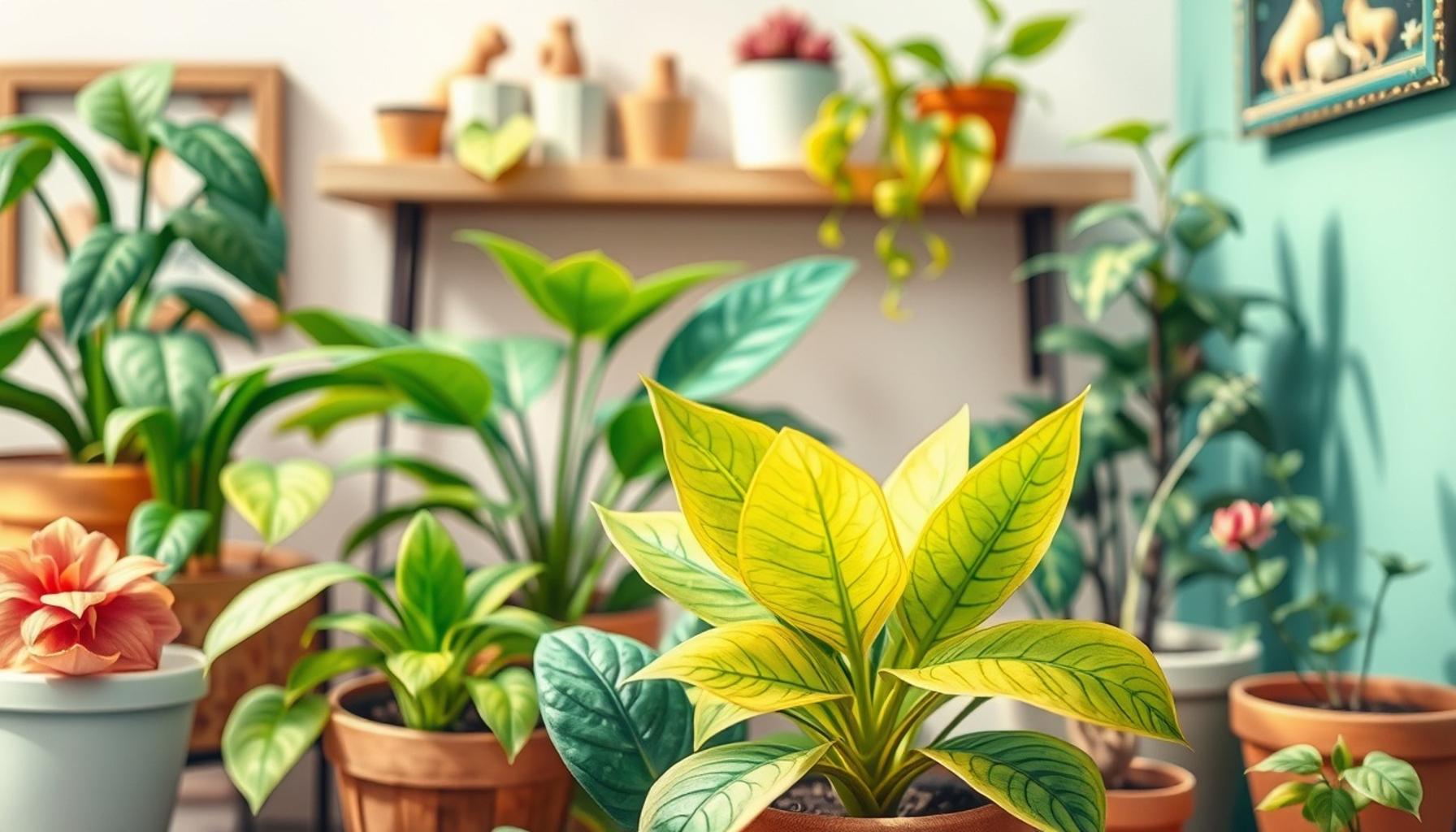
In today’s eco-conscious world, many homeowners are seeking ways to reduce chemical usage while maintaining a clean living space. Incorporating purifying plants into your home environment not only offers aesthetic appeal but also contributes significantly to a healthier atmosphere. These plants are natural allies, improving the quality of our indoor living environments without the use of synthetic products.
Purifying plants serve multiple purposes, including:
- Improving Air Quality: Certain plants, such as snake plants and peace lilies, are known to filter common indoor pollutants like formaldehyde, benzene, and carbon monoxide. The research conducted by NASA in the late 1980s highlighted how these plants could be instrumental in reducing airborne toxins, making them vital companions for anyone concerned about indoor air quality. Having a few of these plants strategically placed around your home can create a significant impact on your health.
- Adding Humidity: Many people suffer from dry air, particularly in the colder months. Plants like the Boston fern and spider plants release moisture into the air, helping to alleviate the discomfort associated with dry skin and respiratory issues. This added humidity can not only improve personal comfort but can also create an environment less conducive to common viruses, which thrive in dry conditions.
- Improving Mental Well-being: Scientific studies suggest that the presence of greenery in our living spaces can enhance mood, reduce stress levels, and improve overall productivity. For example, having plants in your workspace can lead to a more relaxed and creative environment, promoting a sense of well-being while you work or study.
Moreover, integrating these plants into your cleaning regimen enhances the efficacy of natural cleaning methods. For instance, using lemon-scented plants like the lemon balm or lemon verbena can elevate both the aroma and the cleansing impact of your homemade cleaners. Simply steeping the leaves in warm water can create a natural cleaning solution with a refreshing scent, making the cleaning experience more enjoyable.
As awareness grows around the benefits of sustainable living, it’s time to explore how these verdant allies can serve as more than just decor—they can become essential tools in your home cleaning and maintenance arsenal. By choosing plants that offer both beauty and functionality, Americans from urban apartments to suburban homes can create healthier living environments.
Additionally, nurturing these plants can also cultivate a sense of responsibility and mindfulness about our interaction with nature. Engaging in plant care tasks like watering and pruning can provide a satisfying routine, bridging the gap between domestic chores and environmental stewardship. So, consider welcoming these green companions into your home to not just beautify your space but also enhance its cleanliness and your overall quality of life.
DISCOVER MORE: Click here for essential tips
Integrating Purifying Plants into Your Cleaning Routine
As homeowners increasingly prioritize sustainable practices, purifying plants have emerged as valuable assets in the quest for a cleaner, more inviting home. These plants not only enhance the visual appeal of your space but also contribute significantly to home cleaning and maintenance. By understanding how to leverage the qualities of purifying plants, you can create a holistic approach to keeping your living environment fresh and healthy.
One of the most remarkable advantages of purifying plants lies in their ability to minimize indoor air pollutants. According to studies by the Environmental Protection Agency (EPA), indoor air can be more polluted than outdoor air, often due to cleaning products, furniture, and building materials. By incorporating plants that naturally filter these contaminants, such as spider plants, pothos, and peace lilies, you can significantly improve air quality. These adaptable plants can thrive in various conditions, ensuring they fit seamlessly into homes across diverse settings, from urban apartments to suburban houses.
Natural Cleaning Properties of Plants
Alongside their beautiful greenery, many purifying plants offer natural antibacterial and antifungal properties, potentially minimizing the need for harsh chemical cleaners. For instance, the aloe vera plant not only purifies the air but can also act as a soothing treatment for minor cuts and burns. Creating a natural cleaning solution with aloe vera gel mixed with water can provide a gentle yet effective way to clean surfaces.
Here are some purifying plants particularly effective for enhancing your home cleaning regimen:
- Spider Plant: Known for its flexibility and hardiness, it effectively removes pollutants like formaldehyde and xylene.
- Peace Lily: This stunning plant boasts high air-purifying capabilities and can thrive in low-light conditions.
- Pothos: An easy-to-care-for vine that not only purifies the air but also enhances the beauty of any space.
- Aloe Vera: Apart from purifying air, it has natural antiseptic qualities useful for cleaning purposes.
- Boston Fern: Renowned for its humidity-enhancing abilities, this plant also serves as a natural air filter.
By realizing their inherent characteristics, homeowners can create DIY cleaning products that marry the benefits of nature with effective home maintenance. For example, steeping fresh mint leaves or using extracts from citrus plants can not only invite delightful aromas into your home but can also serve as natural disinfectants. Embracing these practices can elevate the cleaning experience—transforming it from a mundane chore to an opportunity for connection with nature.
Ultimately, utilizing purifying plants in your home goes beyond aesthetic enhancement; it’s about integrating natural solutions that promote a healthy living environment. As you cultivate a strategy to reduce reliance on synthetic cleaners, you’ll find that these plants can play a pivotal role in the overall upkeep and purity of your home.
How the Use of Purifying Plants Can Enhance Home Cleaning and Maintenance
The integration of purifying plants into your home cleaning regimen doesn’t just beautify living spaces; it also contributes significantly to health and environmental quality. Plants such as spider plants, snake plants, and peace lilies are not only aesthetically pleasing but also come equipped with the ability to filter indoor air pollutants. This natural air purification process can reduce harmful substances like formaldehyde, benzene, and trichloroethylene, which are commonly found in household products.Moreover, by introducing these plants into the home, you can lower the need for synthetic air fresheners and chemical cleaners, leading to a more environmentally friendly approach to home maintenance. Purifying plants are effective at absorbing airborne toxins, improving overall air quality while contributing to a healthier living atmosphere. This dual benefit of aesthetic appeal and functional cleaning makes them an essential addition to any eco-conscious household.Additionally, caring for these plants can foster a sense of well-being and mindfulness, allowing homeowners to take a more active role in their home environment. Studies suggest that houseplants can also enhance productivity and reduce stress levels, making them not just a cleaning aid but a part of a psychologically beneficial lifestyle. By considering purifying plants as a complement to standard cleaning practices, you are embracing a holistic approach that nurtures both your living space and your mental health.To further illustrate the many advantages of incorporating these plants into your home, please refer to the following informative table detailing specific categories and benefits.
| Category | Benefits |
|---|---|
| Air Quality Enhancement | Purifying plants naturally filter harmful toxins from the air, leading to improved indoor air quality. |
| Reduced Chemical Usage | Utilizing plants decreases reliance on synthetic cleaners and air fresheners, promoting a greener home. |
This blend of beauty and functionality signifies why purifying plants are a must for those looking to elevate their home cleaning routine while contributing positively to their living environment.
DIVE DEEPER: Click here to discover eco-friendly cleaning supplies
Enhancing Your Home with the Right Purifying Plants
Beyond their air-purifying properties and visual appeal, choosing the right purifying plants can also contribute to an overall maintenance strategy that tackles various household challenges. For instance, some plants are known to improve the humidity of indoor spaces, which can be essential for maintaining a comfortable living environment and preventing issues such as mold and mildew growth. The Boston fern, with its lush fronds, excels at enhancing humidity levels, making it an excellent choice for kitchens and bathrooms—areas prone to dampness.
Additionally, purifying plants can create a natural barrier against unwanted pests. Certain species, such as the citronella plant, emit a natural oil that deters mosquitoes and other insects. Placing these plants strategically around entry points can reduce the need for chemical insect repellents, making your home cleaner and safer. Incorporating plants like these into your cleaning regimen provides a dual benefit: while making your space less inviting to pests, they simultaneously improve overall air quality.
Combining Aesthetics with Functionality
The incorporation of purifying plants into home cleaning routines also resonates with the biophilic design trend that has been gaining momentum in recent years. This design philosophy advocates for the connection between people and nature, as studies show that exposure to greenery can enhance wellbeing and productivity. Houseplants such as the rubber plant and snake plant not only boast air-filtering qualities but also provide striking visual elements that can be used to elevate the overall ambiance of rooms. By incorporating these greens, you can create an inviting environment that feels both fresh and rejuvenating.
Moreover, purifying plants can complement DIY cleaning strategies. For example, the essential oils extracted from tea tree and rosemary plants are well-known for their antibacterial and antifungal properties. Incorporating these oils into natural cleaning solutions can enhance your cleaning products’ efficacy while reducing reliance on harsh, synthetic chemicals. Creating an all-purpose cleaner using vinegar and drops of tea tree oil can empower you to tackle everything from kitchen counters to bathroom surfaces effectively.
Creating a Holistic Cleaning Environment
The comprehensive approach of incorporating purifying plants into home cleaning practices promotes a holistic environment that favors both health and sustainability. You can utilize plants to absorb and neutralize harmful substances, while simultaneously boosting mood and productivity throughout your home. Pairing visual beauty with practical use, purifying plants transform any cleaning regimen into a more enjoyable and beneficial experience.
Incorporating purifying plants into your home doesn’t necessitate major adjustments; instead, a thoughtful integration of the right species can create a significant impact. By carefully selecting plants that align with your home cleaning and maintenance goals, you can achieve a cleaner, healthier atmosphere that enhances your domestic experience. The synergy of nature and homecare not only makes cleaning less of a chore but also promotes sustainable habits that can last for generations.
DON’T MISS: Click here to discover safety tips
Embracing Nature for a Cleaner Home
In conclusion, the integration of purifying plants into your home cleaning and maintenance routine offers a multifaceted approach to enhancing both your living environment and overall well-being. These natural allies not only act as effective air purifiers but also serve to improve humidity levels and deter unwanted pests, making them invaluable additions to your domestic space. By incorporating plants such as the Boston fern or citronella plant, you can cultivate a home that feels fresher and more inviting.
Beyond their practical benefits, purifying plants beautifully merge aesthetics with functionality, aligning with the growing trend of biophilic design that fosters a deeper connection between people and the natural world. Their presence can uplift your space, creating an atmosphere that encourages relaxation and mental clarity. Moreover, harnessing the power of essential oils from plants like tea tree and rosemary can transform your DIY cleaning strategies, offering an eco-friendly and effective alternative to traditional chemical-laden products.
Ultimately, making simple yet thoughtful choices by incorporating purifying plants into your cleaning regimen can lead to a cleaner and healthier home. As you embrace this holistic method, you contribute not only to a more sustainable lifestyle but also cultivate a nurturing environment for yourself and your loved ones. Explore the myriad of purifying plants available and discover the transformative potential they hold in complementing your cleaning and maintenance efforts.

Linda Carter
Linda Carter is a writer specializing in efficient house cleaning and maintenance. With extensive experience helping readers keep their homes clean, organized, and well cared for, Linda shares practical guidance on cleaning routines, household upkeep, stain removal, and time-saving methods. Her goal is to provide simple tips and effective strategies that make home care easier, faster, and more manageable.