How to Create a Cleaning Supply Inventory Checklist for Efficient Home Maintenance
Understanding the Importance of an Organized Home Cleaning System
A well-maintained home is a source of comfort and pride, providing a sanctuary where you can unwind and feel engaged. However, the task of keeping everything clean and organized can often turn into an overwhelming chore, especially for busy individuals and families. This is where a structured approach to home maintenance can make a world of difference.
The key to seamless home upkeep lies in having an effective cleaning supply inventory checklist. This simple yet powerful tool can:
- Help you track existing supplies: With a glance at your checklist, you can immediately see what cleaning products and tools you possess. This saves you valuable time and energy.
- Prevent over-purchasing: By accurately knowing what you already have, you’ll avoid buying duplicates of items, which can waste money and clutter storage spaces.
- Ensure you’re never caught without essential items: Running out of basic supplies like dish soap or trash bags can interrupt your cleaning routine and lead to unnecessary frustration. A checklist keeps you prepared.
Imagine walking into your pantry or cleaning closet and instantly knowing what you have and what you need. By integrating a comprehensive checklist into your home maintenance strategy, you can effortlessly manage your cleaning supplies and maintain a more organized living space.
Building Your Cleaning Supply Inventory Checklist
When creating your checklist, it’s essential to include a variety of categories to cover all your cleaning needs effectively. Here are some key components to consider:
- Types of cleaners: This includes all-purpose cleaners for general surfaces, window cleaners for streak-free shine, and floor cleaners tailored to different flooring types, such as hardwood or tile. Consider eco-friendly options that are gaining popularity, such as vinegar-based cleaners.
- Tools: A well-rounded toolkit should contain mops, sponges, microfiber cloths, dusters, and a vacuum cleaner. Each tool plays a pivotal role in maintaining cleanliness and can be specialized for different tasks.
- Other essentials: Don’t forget items like trash bags, gloves, paper towels, and scrub brushes. Having a comfortable pair of rubber gloves can make cleaning tasks more pleasant, while stocked trash bags ensure that you’re always ready to dispose of unwanted waste.
By systematically cataloging these items, not only will your home shine, but you’ll also promote a sustainable approach to cleaning. A smart inventory will keep your supplies in check, help streamline your cleaning routine, and reduce waste. This empowers you to approach home maintenance as an engaging task rather than an overwhelming burden.
In conclusion, incorporating a detailed inventory checklist into your home maintenance strategy is not just a matter of convenience; it’s a method to enhance your overall quality of life. So take the step to organize your cleaning supplies, and notice how a small change can lead to significant improvements in your home organization and cleaning efficiency.
DISCOVER MORE: Click here to learn about efficient cleaning strategies
Creating an Effective Cleaning Supply Inventory Checklist
Establishing a cleaning supply inventory checklist is a pivotal step in maintaining not only a clean household but also a well-organized living environment. A concise yet comprehensive inventory allows you to manage essential cleaning items efficiently, thus maximizing your time and effort. Here’s how to get started.
Assessing Your Current Supplies
Before diving into creating your checklist, take a thorough inventory of the cleaning supplies you currently have. This initial step is critical in identifying gaps and redundancies within your cleaning arsenal. Consider the following categories while assessing your supplies:
- Surface Cleaners: These products include multi-surface sprays, bathroom cleaners, and kitchen wipes. Check if you have a balanced variety for different surfaces.
- Specialty Cleaners: Items such as oven cleaners, carpet cleaners, and glass cleaner fall under this category. Ensure you are stocked up on any specialty items that cater to specific cleaning needs.
- Tools and Equipment: Examine your mops, brooms, vacuum cleaners, and cleaning cloths. Ensure all are in good condition and ready for use.
- Protective Gear: Gloves and masks are essential for certain cleaning tasks. Having these readily available can enhance safety during your cleaning routines.
Once you’ve conducted this assessment, categorize your supplies under each heading on your checklist. This categorization helps streamline your cleaning efforts, making it easier to locate and identify what you have and what you need.
Choosing the Right Format for Your Checklist
Your cleaning supply inventory checklist can be created in various formats to suit your personal preferences. Here are some popular formats to consider:
- Pencil and Paper: A classic method that allows for easy updating. You can even laminate the sheet for durability.
- Digital Spreadsheet: Using platforms like Google Sheets or Excel can help you manage your inventory online. This allows for easy sharing if multiple family members participate in cleaning duties.
- Mobile Apps: Several inventory management apps can simplify the process, offering reminders for when you need to replenish your supplies.
Choosing a format that you are comfortable with is essential not only for your convenience but also for long-term usability. A well-structured checklist will keep you organized and proactive in your cleaning endeavors.
By assessing your current supplies and selecting an appropriate format, you’re laying the groundwork for a successful cleaning supply inventory checklist. This checklist is not just a tool; it’s your trusted companion in achieving a more manageable and efficient home maintenance routine.
When creating a Cleaning Supply Inventory Checklist for Efficient Home Maintenance, it’s important to consider a few key factors that can enhance your organization and efficiency. Start by categorizing your cleaning supplies into sections such as kitchen, bathroom, laundry, and living areas. This not only simplifies the process of identifying what you have but also allows you to see what you might need to purchase.
Assess Your Current Supplies
Begin by taking a thorough inventory of all cleaning products you currently possess. Check expiration dates and the completeness of items like sponges, cloths, and brushes. Discard anything that is expired, used up, or not effective. This will prevent clutter and ensure you are using the best cleaning supplies available.
Identify Essential Supplies
Next, consider the essential supplies needed for your home. Common items typically include multipurpose cleaners, disinfectants, toilet bowl cleaners, and glass cleaners. Additionally, stock up on materials like microfiber cloths and rubber gloves for effective cleaning without damaging surfaces.
Track Usage and Replenishment
Incorporate a tracking system into your checklist that allows you to monitor usage rates of your supplies. Knowing how quickly items deplete makes it easier to plan when to restock. You can use a simple spreadsheet or a dedicated app that can send you reminders when it’s time to purchase more. This strategy not only helps maintain the cleanliness of your home but also saves time and money in the long run by avoiding last-minute purchases.
Stay Organized
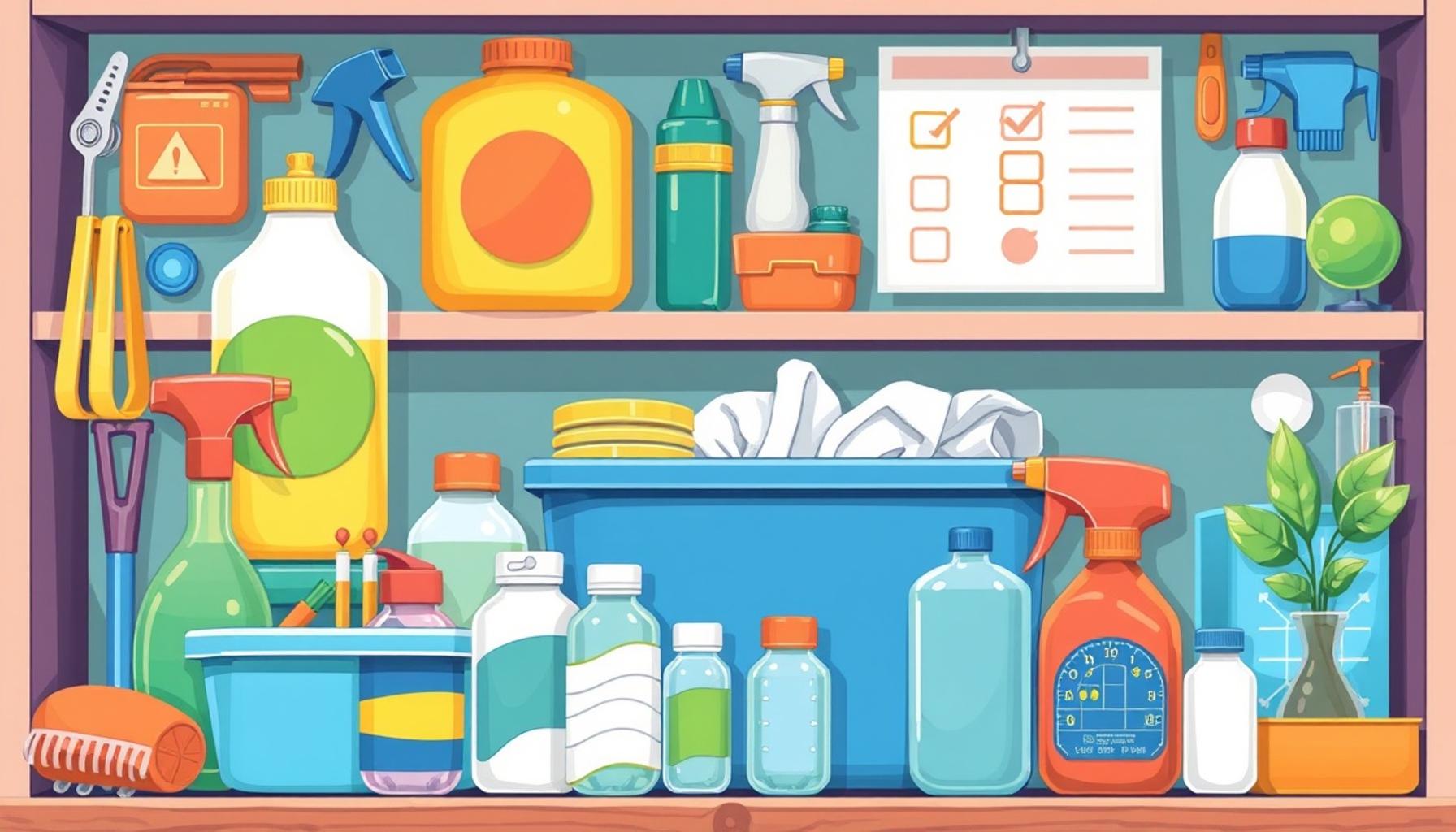
Finally, maintain an organized storage area for your cleaning supplies. Use bins or shelves to categorize items clearly, so you can always find exactly what you need without rummaging through clutter. Consider labeling containers, which will help everyone in the household align with your cleaning system, ensuring that maintaining the home becomes a collective effort.Now, let’s delve into some of the distinct advantages of having a well-structured cleaning supply inventory checklist as showcased in the following table:
| Category | Benefits |
|---|---|
| Time Efficiency | Reduces time spent searching for supplies, allowing for quicker cleaning sessions. |
| Cost Savings | Helps prevent duplicate purchases and ensures you are buying only what you need. |
| Organization | Encourages a clutter-free environment, making it easier to keep track of supplies and maintain cleanliness. |
Adopting these practices will not only make cleaning more efficient but will also establish a sense of control over your home maintenance routine, ultimately contributing to a healthier living environment.
DISCOVER MORE: Click here to learn about the importance of dry cleaning techniques
Organizing Your Cleaning Supply Inventory Checklist
Once you’ve created a foundational list of supplies, the next critical step is to organize your cleaning supply inventory checklist effectively. A well-organized checklist allows for quick accessibility and makes routine maintenance tasks more manageable. Here are some actionable strategies to streamline your inventory:
Prioritize Supplies Based on Usage
Understanding which cleaning supplies you use most frequently is vital. To prioritize items effectively, consider the frequency of use for different cleaning tasks. For instance, all-purpose cleaners and <strong-floor disinfectants are likely essentials for daily upkeep, while more specialized items, such as furniture polish or toilet bowl cleaners, might be used less often. Segmenting your inventory into daily, weekly, and monthly needs allows you to focus on what’s necessary for immediate use versus what can be stored long-term.
Creating a Scheduling System
A dynamic aspect of home maintenance is establishing a routine for replenishing supplies. After you’ve categorized your items, consider implementing a scheduling system. Chart out a timeline that indicates when to evaluate your inventory—this could be monthly or quarterly, depending on your household size and cleaning frequency. Include reminders for yourself to check expiry dates on cleaning products, as many items, such as disinfectants and stain removers, have limited shelf lives. This disciplined approach ensures that your cleaning supplies are always effective and safe.
Tracking Purchases
Incorporate a tracking method for your purchases and usage levels directly on your checklist, allowing for an easy reference point. Not only can you note down the purchase date and quantity, but also gather insights into how quickly supplies deplete. This data can be revealing—if you find you’re frequently running low on laundry detergent or dish soap, that could signal the need to buy in bulk, potentially saving you time and money in the long run.
Incorporating a Color-Coding System
To enhance usability, consider implementing a color-coding system in your checklist. Assign colors based on categories—perhaps green for eco-friendly products, red for high-priority items, or blue for specialty cleaners. This visual aid can significantly speed up your inventory review process, making it quicker to identify what needs restocking during your scheduled maintenance checks.
Utilizing Technology for Enhanced Management
If you opted for a digital checklist, there are various applications designed specifically for managing household supplies and inventories. Apps like OurHome or Sortly help families collaboratively maintain their cleaning supply checklist. Many of these tools feature notification systems, ensuring you stay informed about low stock levels while allowing family members to contribute to updates. Some apps even permit easy categorization, filtering items by room or type, making organization seamless.
By carefully organizing your cleaning supply inventory checklist, you are setting the foundation for not only efficient home maintenance but also creating a proactive cleaning strategy that can keep your home tidy, organized, and sanitized. As you implement these strategies, your checklist will evolve to meet your cleaning needs while ensuring you never miss crucial supplies again.
DISCOVER MORE: Click here for essential safety tips
Conclusion
In a world where cleanliness contributes to both comfort and health, developing a cleaning supply inventory checklist is a game-changer for home maintenance efficiency. By taking the time to categorize your supplies, prioritize their usage, and create structured systems for evaluation, you empower yourself to keep your home not just tidy, but also a safe haven for family and friends.
Implementing strategies such as a scheduling system for inventory reviews, tracking your purchases, and utilizing a color-coding system enhances visibility and accessibility. These practices not only streamline the cleaning process but also allow you to manage your supplies proactively. Investing in technology, such as inventory management apps, further simplifies this task, keeping your checklist updated and your family engaged in upkeep.
Moreover, awareness of expiration dates ensures that the cleaning products in your arsenal remain effective, providing peace of mind as you tackle chores. As you follow the steps outlined in this article and tailor them to suit your lifestyle, you’ll find that maintaining a well-organized inventory is not just about cleanliness, but also reflects a well-managed home. So, embark on this journey of smart home maintenance today, and relish in the benefits of a cleaner, more organized living space for years to come.

Linda Carter
Linda Carter is a writer specializing in efficient house cleaning and maintenance. With extensive experience helping readers keep their homes clean, organized, and well cared for, Linda shares practical guidance on cleaning routines, household upkeep, stain removal, and time-saving methods. Her goal is to provide simple tips and effective strategies that make home care easier, faster, and more manageable.