How to implement a sustainable cleaning schedule for your home
Transforming Your Home with a Sustainable Cleaning Schedule
Adopting a sustainable cleaning schedule is not merely about keeping your space tidy; it’s a proactive choice that benefits you, your family, and the environment. With the increasing awareness of environmental issues and the need for sustainable living, employing eco-friendly cleaning practices has become more relevant than ever. By making conscious decisions about the products we use and the methods we employ, we can create a clean, healthy home while concurrently reducing our ecological footprint.
Consider the multifaceted benefits of implementing a sustainable cleaning schedule:
- Healthier Living Environment: Traditional cleaning products often contain harsh chemicals, which can exacerbate allergies or respiratory issues. For example, alternatives like vinegar and baking soda can effectively clean surfaces without introducing toxins into your home. Families, especially those with children or pets, will find that natural solutions create a safer space.
- Resource Conservation: Sustainable practices often involve using less water and energy. For instance, using microfiber cloths can reduce the need for water since they can trap dirt and grease effectively without excessive rinsing. Additionally, energy-efficient appliances can reduce electricity consumption during the cleaning process, making a notable difference in your utility bills.
- Waste Reduction: The average American household contributes a significant amount of waste through disposable items like paper towels. By switching to reusable cloths and incorporating a recycling system for cleaning containers, you can significantly decrease your household waste while supporting a circular economy.
While crafting a sustainable cleaning schedule may initially seem overwhelming, it can be simplified into actionable steps. Here are some strategies to help you develop a manageable and balanced routine that harmonizes with your lifestyle:
- Assess Your Space: Begin by evaluating which areas of your home receive the most traffic or show the most wear and tear. Spaces like kitchens and bathrooms often require more frequent attention. Remapping your cleaning priorities will help you distribute your efforts efficiently.
- Choose Eco-Friendly Products: When selecting cleaning supplies, seek out biodegradable and non-toxic options. Brands like Seventh Generation and Method offer products that deliver effective cleaning without compromising environmental standards. Read labels carefully to ensure you are making the safest choices for your home.
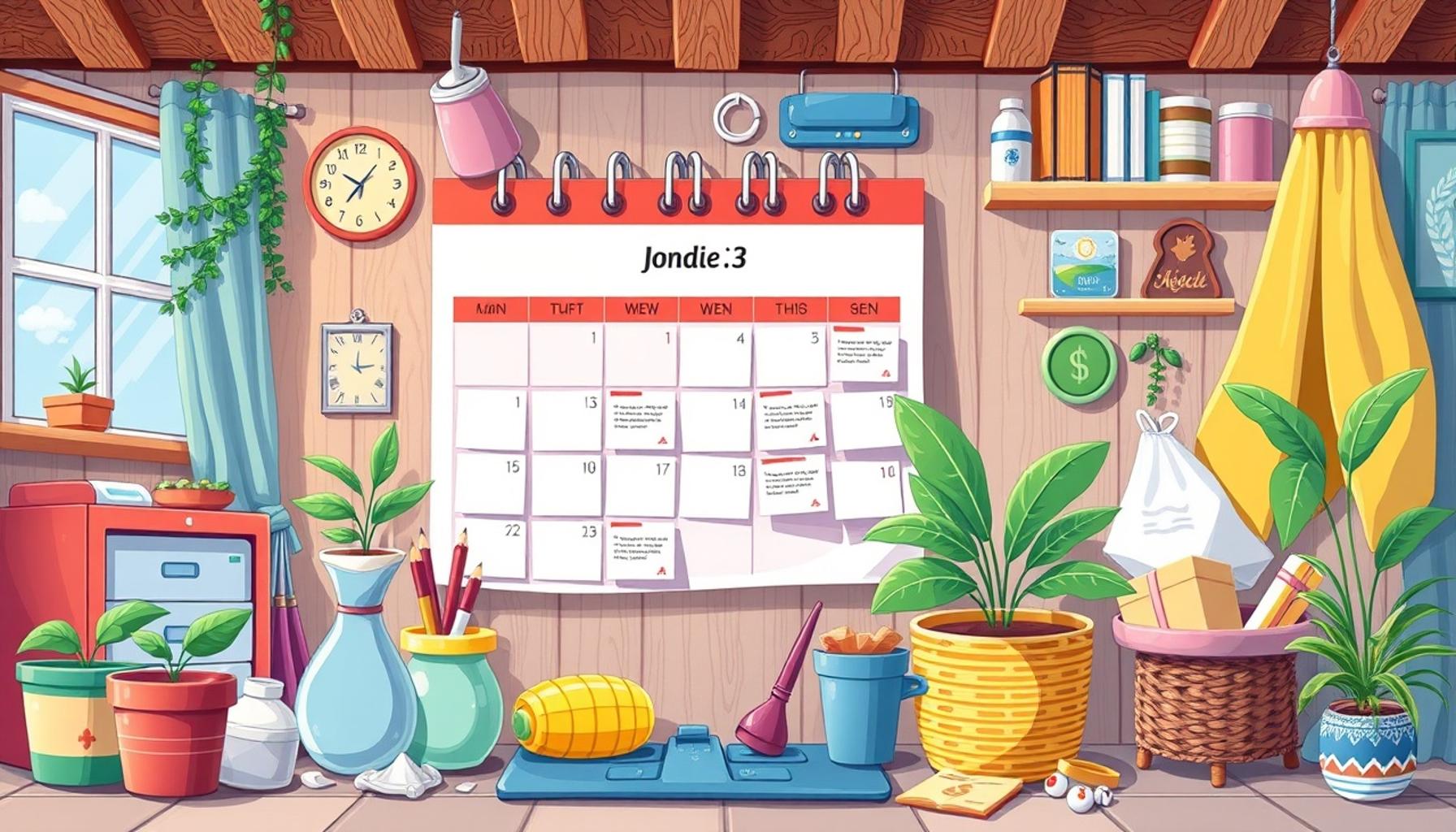
- Schedule Regular Cleanings: Create a calendar that divides cleaning tasks into daily, weekly, and monthly responsibilities. For example, daily tasks might include wiping down counters and clearing clutter, while weekly tasks could encompass vacuuming or mopping floors, and monthly routines might involve deep-cleaning appliances or windows.
As you embark on this journey of developing a sustainable cleaning schedule, you’ll discover a myriad of effective practices that not only bolster your home’s cleanliness but also nurture a growing consciousness about sustainability in your day-to-day life. Incorporating eco-friendly habits fosters a sense of community and stewardship towards the environment, inspiring not just personal benefits but also a broader impact that can lead to significant change. Embrace this opportunity to create a home that reflects both your values and your commitment to a sustainable future.
DISCOVER MORE: Click here to learn how to create a safer home
Building a Solid Foundation for Sustainable Cleaning
Creating a sustainable cleaning schedule for your home is an innovative way to blend effective cleaning with eco-conscious living. It begins by addressing your home’s specific needs while integrating environmentally-friendly practices that can be seamlessly incorporated into your routine. As we dive into the details, let’s explore the essential steps and components that form the backbone of a sustainable cleaning regimen.
Understand the Impact of Cleaning Products
One of the first steps in establishing a sustainable cleaning schedule is recognizing the environmental and health impacts of traditional cleaning products. According to a report by the Environment Protection Agency (EPA), many household cleaning products contain volatile organic compounds (VOCs) that can aggravate indoor air quality, leading to health problems over time. Transitioning to non-toxic and biodegradable cleaners will not only enhance your indoor atmosphere but also reduce the harmful chemical load in landfills and water systems.
To illustrate this point, consider the humble bottle of dish soap. Choosing a brand that is formulated from plant-based ingredients and packaged in recycled materials can significantly lower your household’s carbon footprint. Brands like Mrs. Meyer’s Clean Day or Ecozone are excellent examples of options that prioritize sustainability while still delivering cleaning power.
Creating Your Cleaning Schedule
Now that you’re aware of the implications of cleaning products, let’s outline a practical approach to creating a sustainable cleaning schedule. This schedule should not feel like a burden but rather a structured framework promoting cleanliness and sustainability. Here are some key elements to incorporate:
- Daily Tasks: These should be light and manageable, including activities such as making your bed, washing dishes, and quickly wiping down bathroom surfaces. Daily attention can prevent dirt buildup and keep your home feeling fresh.
- Weekly Tasks: Assign time each week for tasks that require deeper cleaning, such as vacuuming carpets, dusting furniture, or performing laundry. This allows for more thorough upkeep without overwhelming yourself.
- Monthly Focus Areas: Set aside a day each month for more intensive cleaning, targeting areas often neglected—such as deep-cleaning the oven or organizing the pantry. Don’t forget to include the use of sustainable methods, such as steam cleaning or using natural scrubs made from baking soda.
- Seasonal Clean Sweep: Each season, consider conducting a thorough examination of cleaning supplies, decluttering unnecessary items, and refreshing your cleaning strategies to make sure they align with your sustainability goals.
Establish Routines that Stick
Incorporating sustainable cleaning practices into your daily life isn’t just about tasks; it’s about fostering habits that last. Consider forming partnerships with family members or roommates to divide responsibilities, making cleaning a shared and community-focused activity rather than an individual chore. This not only nurtures team spirit but also emphasizes the principle of collective responsibility towards maintaining a sustainable lifestyle.
By understanding the impact of your cleaning choices and constructing a well-thought-out schedule, you’re laying the groundwork for a home that is not only clean but embarked on a journey of sustainability that echoes into the community and beyond.
Implementing a sustainable cleaning schedule for your home is a strategic approach that not only enhances your living environment but also positively impacts the planet. By adopting eco-friendly cleaning practices, you’re choosing to prioritize both cleanliness and sustainability.
Creating a Routine
The first step in establishing a sustainable cleaning schedule is to create a routine that incorporates environmentally friendly products and methods. Use biodegradable cleaning supplies that minimize harmful substances being released into your home and the environment. Moreover, consider incorporating multi-purpose cleaners that can combat various surfaces, reducing the need for multiple products.
Frequency of Cleaning Tasks
Next, it’s essential to determine the frequency of your cleaning tasks. Break down cleaning schedules into daily, weekly, and monthly tasks. For instance, daily dusting on high-traffic surfaces, weekly vacuuming, and monthly deep cleaning can spread out the workload while maintaining a clean space. This planning helps in avoiding overwhelming cleaning marathons that often lead to using more chemical-laden products in a crunch.
Declutter Regularly
Consider implementing decluttering sessions as part of your sustainable cleaning schedule to minimize the need for excessive cleaning products. Reducing the number of items in your home makes cleaning faster and more efficient while promoting a minimalist lifestyle. Regularly donating or recycling items you no longer need not only keeps your space organized but also reduces waste.
Utilizing Green Cleaning Techniques
Switching to green cleaning techniques can significantly contribute to a sustainable cleaning regimen. Ingredients such as vinegar, baking soda, and lemon juice can replace traditional cleaning agents while being effective less harmful alternatives. Furthermore, these natural solutions can often be more cost-effective.
By focusing on these methods, you’ll not only establish a cleaner home but also contribute to a more sustainable future. Continue exploring innovative ideas and incorporating them into your routine for a long-lasting positive impact.
| Sustainable Practices | Benefits |
|---|---|
| Use of Eco-friendly Products | Reduces exposure to harmful chemicals, promoting better health. |
| Establishing a Consistent Schedule | Creates a balanced workload, preventing last-minute cleaning stress. |
| Decluttering Regularly | Simplifies cleaning tasks and reduces the volume of unnecessary items. |
| Utilization of Natural Cleaners | Cost-effective and promotes a healthier indoor environment. |
DISCOVER MORE: Click here to learn about sustainable dry cleaning
Incorporating Eco-Friendly Techniques
With a foundational schedule in place, the next step in implementing a sustainable cleaning schedule is to integrate eco-friendly techniques and approaches that enhance cleanliness while being gentle on the planet. The methods you choose can greatly influence not just your home’s cleanliness, but also your overall environmental footprint. Here are some powerful strategies to consider:
Use Natural Cleaning Solutions
Instead of relying on commercial cleaners laden with chemicals, explore the effectiveness of natural cleaning solutions. Ingredients like vinegar, baking soda, and lemon serve as powerhouses in combatting grime and germs without the harmful side effects. For instance, a mixture of vinegar and water creates a potent all-purpose cleaner. Similarly, baking soda can be used as a scrub for tough surfaces, and lemon can act as a disinfectant due to its antibacterial properties.
According to the National Institute of Health, many natural items possess antimicrobial qualities. Using these alternatives not only cuts down on exposure to toxins but also helps you save money — a win-win strategy!
Conscious Water Use
A core tenet of sustainability is conserving resources, and water is a vital one. When developing your cleaning schedule, be conscious of the water you use. For example, opt for a microfiber cloth instead of conventional rags; they clean effectively with less water and can be washed multiple times before disposal, thus minimizing waste. If you’re washing floors, consider mopping with a damp cloth rather than soaking the entire area, which can lead to unnecessary water runoff.
Furthermore, consider the weather when planning deep cleans. Cleaning windows or outdoor areas on a dry day reduces the amount of water wasted through evaporation, thereby enhancing efficiency in both cleaning and conservation.
Eco-Friendly Disposal Practices
As you work through your cleaning schedule, proper disposal of items and waste becomes crucial. Take some time to educate yourself about recycling and composting options available in your local area. For example, used cleaning containers such as plastic spray bottles can often be repurposed for garden use or household tasks rather than ending up in the landfill.
Furthermore, you may want to delve into options such as upcycling old linens or clothes into cleaning rags. Not only does this reduce waste, but it also extends the lifecycle of textiles that are often discarded prematurely.
Invest in Sustainable Supplies
Choosing to purchase sustainable cleaning supplies is a significant step forward in reducing your environmental impact. Seek out companies focusing on eco-friendly manufacturing practices, like Grove Collaborative or Seventh Generation. These brands prioritize sustainable sources and often provide refills or bulk options which can drastically reduce packaging waste.
Additionally, consider investing in reusable cleaning products, such as washable mop pads or refillable spray bottles, which can greatly diminish the cyclical waste associated with traditional disposable items. Every little choice adds up, contributing positively to an eco-friendlier home.
By embracing these eco-friendly techniques within your sustainable cleaning schedule, you are not only preserving the environment but also cultivating a home that feels fresh and safe. Taking these steps fosters a sense of responsibility toward nature, ensuring that your cleaning habits reflect the values of sustainability and health. As you continue on this journey, you will find that sustainable practices become less of a routine task and more of an integral part of your lifestyle.
DIVE DEEPER: Click here to learn more about home safety
Conclusion: Embracing a Sustainable Cleaning Future
In conclusion, implementing a sustainable cleaning schedule for your home is a transformative journey that not only elevates the hygiene of your living space but also demonstrates a commitment to ecological stewardship. By integrating practices such as using natural cleaning solutions, conserving water, following eco-friendly disposal methods, and investing in sustainable supplies, you empower yourself to make conscientious choices that reverberate positively through the environment.
As highlighted throughout this article, the cumulative effects of our daily habits can significantly reduce our carbon footprint and lessen the burden on our planet’s resources. For instance, adopting natural cleaning agents, such as vinegar and baking soda, not only keeps your home germ-free but also decreases the chemical load linked to conventional cleaning products. Furthermore, the conscious choice to recycle and repurpose items diminishes waste while fostering a culture of sustainability within your household.
Ultimately, creating a sustainable cleaning schedule is not just about immediate results; it is about fostering long-term behavioral shifts. As you embark on this eco-friendly path, remember that every small decision contributes to a larger movement toward sustainable living. Explore local resources and communities for new ideas and support as you refine your practices.
Your commitment to a sustainable cleaning regime presents an exciting opportunity to blend personal well-being with environmental health. So, roll up your sleeves and embrace the concept of cleanliness that honors both your home and the Earth. Moving forward, you may even inspire those around you to join in, multiplying the benefits and creating a ripple effect for a greener future.

Linda Carter
Linda Carter is a writer specializing in efficient house cleaning and maintenance. With extensive experience helping readers keep their homes clean, organized, and well cared for, Linda shares practical guidance on cleaning routines, household upkeep, stain removal, and time-saving methods. Her goal is to provide simple tips and effective strategies that make home care easier, faster, and more manageable.