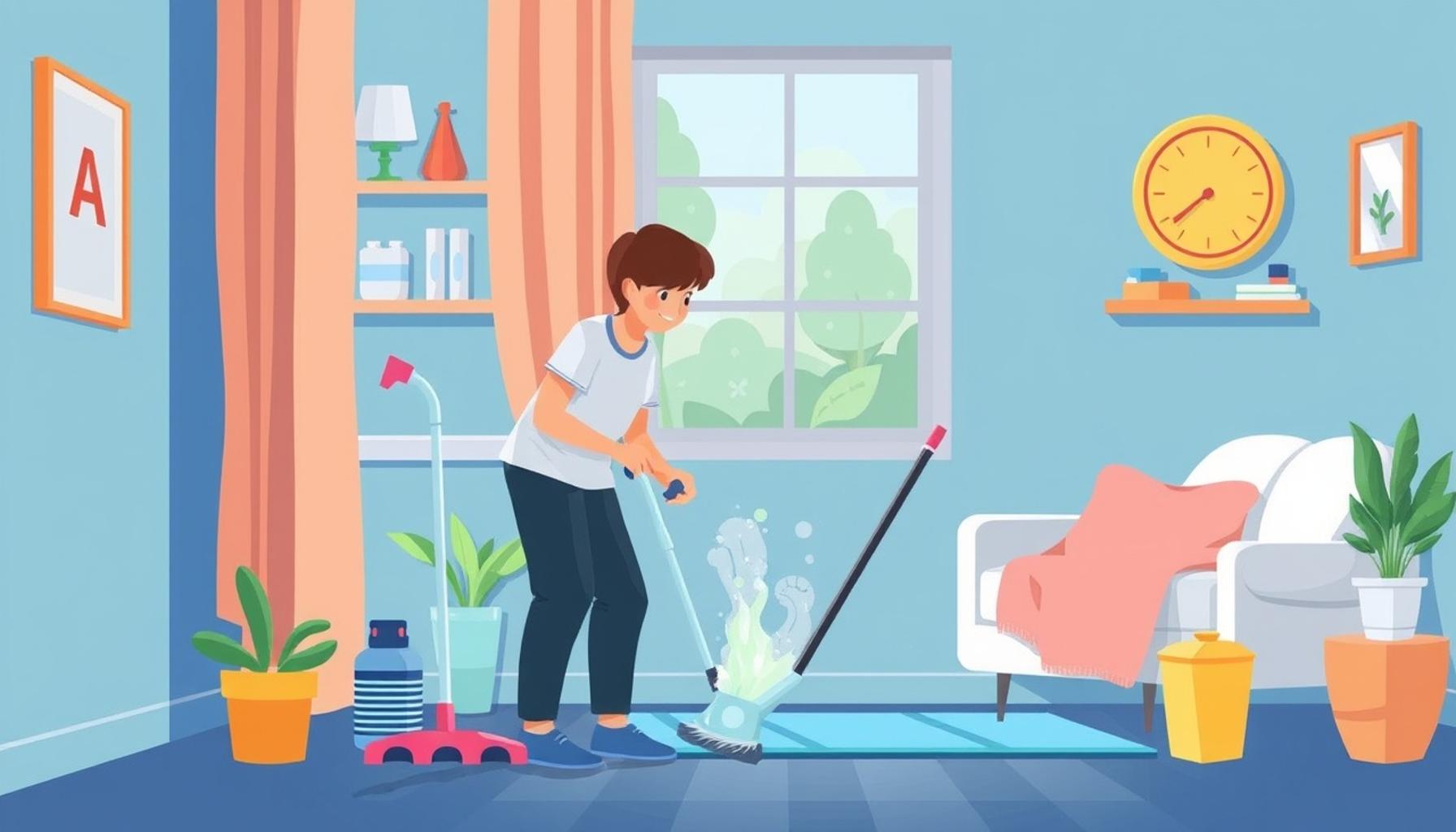
The Importance of Non-Toxic Cleaning Products for Home Safety
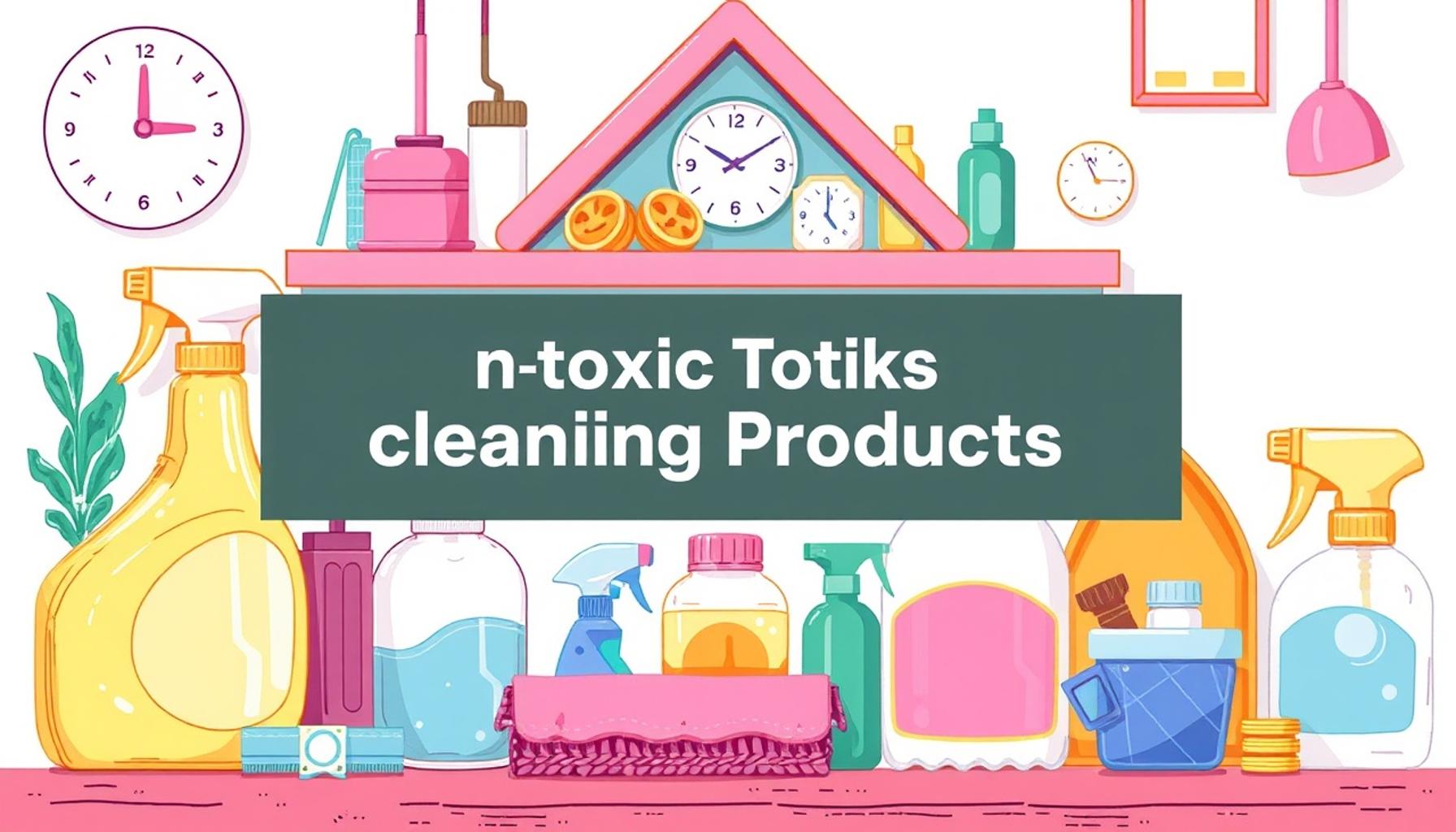
As our understanding of health and environmental safety evolves, many households are turning to non-toxic cleaning products to promote a cleaner living space. Conventional cleaners, while effective in fighting grime and dirt, often contain harmful chemicals that compromise indoor air quality and pose various health risks. These substances frequently include volatile organic compounds (VOCs), phthalates, and ammonia, which have been linked to respiratory problems, skin irritation, and even long-term health issues when used regularly. Thus, opting for non-toxic alternatives is not just a trend; it’s an essential lifestyle shift for anyone seeking to safeguard their home and family’s well-being.
Why Choose Non-Toxic Products?
The benefits of selecting non-toxic cleaning solutions extend beyond mere surface cleanliness. The reasons for this shift are profound, especially in the context of today’s health and environmental challenges:
- Health Benefits: Switching to non-toxic cleaners can significantly mitigate exposure to allergens and irritants, creating a safer atmosphere, especially for sensitive groups like children and people with asthma.
- Environmentally Friendly: Many non-toxic products use biodegradable ingredients that are less harmful to ecosystems. By minimizing toxic runoff into water systems, these products help preserve local wildlife and plant life.
- Safety for All: Non-toxic cleaners often feature gentler formulations that reduce the risk of accidents in homes with children and pets. These products are less likely to cause harmful reactions in case of ingestion or skin contact.
Feeling the Impact
The impact of chemical exposure can be particularly pronounced in children and furry companions. For instance, according to the American Academy of Pediatrics, over 500,000 young children are exposed to toxic substances every year, with cleaning products frequently mentioned in such incidents. By switching to non-toxic cleaning products, households can lower the risk of these potentially dangerous occurrences. Furthermore, many non-toxic alternatives utilize natural ingredients like vinegar, baking soda, and essential oils, which possess antibacterial properties without the harsh effects of traditional cleaners.
As consumers become increasingly informed about the ways in which cleaning products can influence health and wellbeing, the demand for non-toxic options continues to rise. Exploring these alternatives not only benefits individual households but also contributes to a broader movement toward sustainable living. Many brands, such as Seventh Generation and Mrs. Meyer’s Clean Day, have emerged to meet this demand, offering products that prioritize safety while delivering effective cleaning results. In adopting these practices, families not only enhance the health of their immediate environment but also cultivate a more responsible relationship with the planet.
DISCOVER MORE: Click here to optimize your cleaning routine
Understanding the Risks of Conventional Cleaning Products
When it comes to maintaining a clean home, the products we choose can have a profound impact on more than just surface cleanliness; they can significantly affect our health and the environment. Conventional cleaning products often contain a mixture of chemicals that can pose various risks to human health. For example, volatile organic compounds (VOCs), which are commonly found in aerosols, bleach, and some multi-surface cleaners, can lead to short-term effects such as eye, nose, and throat irritation, headaches, and dizziness. Long-term exposure to these chemicals has been linked to more serious conditions, including liver damage and even cancer.
A study by the National Institutes of Health showcases that regular use of these conventional cleaners can contribute to chronic respiratory issues, particularly in children and individuals predisposed to asthma. In fact, the American Lung Association underscores that even cleaning products marketed as “green” may still contain harmful ingredients that are undisclosed in their labeling. This highlights the need for consumers to remain vigilant about the products they allow into their homes.
Benefits of Non-Toxic Alternatives
Non-toxic cleaning products offer a safer approach by utilizing ingredients that pose minimal risk to health while still delivering effective cleaning results. Opting for these alternatives provides several key benefits:
- Reduced Chemical Exposure: Using non-toxic cleaners minimizes the number of harmful chemicals present in your home, lowering the chances of exposure for both adults and children.
- Improved Indoor Air Quality: Switching to non-toxic products often results in better air quality. Since they are less likely to contain VOCs, homes can enjoy fresher air that is safer to breathe.
- Eco-Friendly Solutions: Many non-toxic cleaners are derived from natural, biodegradable ingredients that not only clean effectively but also reduce harm to aquatic ecosystems and soil health.
Moreover, non-toxic cleaning products frequently boast natural antibacterial properties. For instance, products featuring essential oils such as tea tree or eucalyptus not only create a pleasant aroma but also possess antimicrobial capabilities that effectively combat germs and bacteria. This makes them a wise choice for families looking to maintain a healthy living environment without the risks associated with conventional cleaners.
As the public becomes more aware of health risks tied to traditional cleaning agents, the demand for non-toxic cleaning products continues to rise dramatically. Retailers, both large and small, are beginning to stock a myriad of options that cater to this growing consumer base, ensuring affordable and effective alternatives are readily available. The shift to non-toxic cleaning products is not merely a fad; it represents a significant cultural change aimed at enhancing home safety and overall well-being. By making informed choices, households can embrace a cleaner environment while protecting their loved ones against the hidden dangers of harmful chemicals.
The Importance of Non-Toxic Cleaning Products for Home Safety
As society becomes increasingly concerned about health and wellness, non-toxic cleaning products have emerged as a viable alternative to traditional cleaning agents laden with harmful chemicals. These eco-friendly solutions not only prioritize home safety but also address environmental impacts, making them an essential aspect of modern household management.The significance of utilizing non-toxic cleaning products goes beyond personal health; they contribute to a safer living environment for children and pets. Many conventional cleaning agents contain harsh chemicals that can cause respiratory issues, skin irritations, and even more severe long-term health concerns. In contrast, non-toxic alternatives use natural ingredients, reducing the risk of dangerous exposures. Parents, in particular, will appreciate that these products create a cleaner space without the fear of accidental poisoning or adverse reactions in their little ones.Furthermore, the adoption of non-toxic cleaning products is becoming increasingly relevant due to the growing awareness of indoor air quality. Traditional cleaners emit volatile organic compounds (VOCs) that remain suspended in the air long after the cleaning is done, compromising the overall safety of the home. Non-toxic options, being largely derived from plants and minerals, minimize these harmful emissions, thus promoting a more breathable atmosphere.To further entice homeowners towards these healthier choices, many brands are now offering a variety of effective non-toxic options that tackle stubborn stains and grime just as efficiently as their chemical-laden counterparts. With innovative formulations and improved performance, the myth that these products sacrifice efficacy for safety is quickly being dispelled.For those looking to embrace a healthier lifestyle step-by-step, transitioning to non-toxic cleaning products provides not only immediate advantages but also sets the stage for long-term benefits for both the family and the planet.
| Advantage | Importance |
|---|---|
| Safer for Health | Reduces the risk of chemical exposure for all household members. |
| Environmentally Friendly | Contributes to decreased pollution and waste from harmful chemicals. |
With the pressing need for clean and safe homes, exploring the realm of non-toxic cleaning products can lead to remarkable changes for both individual well-being and broader environmental health. Embracing these products can transform your cleaning routine into a conscientious activity that aligns with a more sustainable lifestyle.
DON’T MISS: Click here for essential tips
Shifting Towards Safer Cleaning Practices
As awareness grows around the hazards associated with conventional cleaning products, a transition towards non-toxic alternatives has become increasingly vital for the safety of homes. Consumers are not just looking for products that clean; they seek options that align with their health and environmental values. This shift is not only beneficial for individual households but also reflects a broader movement toward sustainable living.
The trend toward non-toxic cleaning is exemplified through the rise of small businesses and local brands dedicated to this cause. For instance, many artisanal cleaners emphasize using simple, recognizable ingredients—like vinegar, baking soda, and essential oils—showcasing the effectiveness of non-toxic agents. A report from Statista anticipated that the market for natural cleaning products would reach approximately $12 billion in the U.S. by 2025, indicating a strong consumer demand for these safer options.
The Role of Certifications and Labeling
Choosing the right non-toxic cleaning products requires an understanding of labeling and certifications that guarantee safety and efficacy. Numerous organizations, such as Green Seal and EPA’s Safer Choice, label products that have been rigorously tested for harmful chemicals and environmental impact. These certifications serve as guiding stars for consumers navigating the sea of options, helping them make informed choices that align with their commitment to home safety.
Additionally, many consumers have turned to DIY cleaning solutions to further control the ingredients in their homes. Homemade cleaners can be crafted with common household items, significantly reducing the likelihood of chemical exposure while embracing the concept of sustainability. Recipes for effective cleaners using ingredients such as lemon juice, olive oil, and vinegar are readily available online, empowering families to customize solutions that fit their personal needs.
Health Impact Beyond Indoor Air Quality
The repercussions of using toxic cleaning products extend beyond immediate indoor air quality. Research indicates that exposure to chemical cleaners can exacerbate pre-existing health conditions, particularly for sensitive populations, including children, the elderly, and individuals with respiratory diseases. A 2022 study published in the Journal of Allergy and Clinical Immunology found a direct correlation between the use of conventional cleaning products in schools and increased asthma rates among students. This prompts a crucial conversation about the implications of these products not just for residential spaces, but for shared environments such as schools, workplaces, and public facilities.
In response, many health professionals advocate for the implementation of non-toxic cleaning policies in public institutions, underscoring the importance of fostering environments that prioritize safety. Schools and daycares utilizing non-toxic cleaners can create healthier spaces for children, free from harmful chemical exposure while also instilling lessons about sustainability and personal responsibility from a young age.
Moreover, numerous advocacy organizations are working tirelessly to raise awareness about the dangers of harsh chemicals in cleaning products, urging consumers to advocate for more stringent regulations on toxic substances. Collaborating with manufacturers on transparent ingredient lists can inform consumers more effectively about what they’re bringing into their homes, ultimately pushing for higher safety standards across the board.
DISCOVER MORE: Click here for tips on creating an effective cleaning schedule</
Conclusion: Embracing a Safer Home Environment
In conclusion, the transition to non-toxic cleaning products is not merely a trend but a fundamental shift essential for safeguarding health and environmental sustainability. As our awareness of the harmful effects associated with conventional cleaners rises, families are prompted to evaluate the products they bring into their homes critically. The burgeoning market for natural cleaning solutions, projected to reach $12 billion by 2025, clearly illustrates consumer demand for safer alternatives that protect both our health and the planet.
Moreover, understanding labeling and certifications—such as Green Seal and EPA’s Safer Choice—is vital for making informed choices that bolster home safety. The move toward using simple, recognizable ingredients not only promotes transparency but also empowers individuals to take control over their cleaning practices. For many, creating homemade cleaners using readily available ingredients like vinegar and baking soda offers a practical yet effective avenue for maintaining a safe, chemical-free home.
Finally, addressing the wider implications of toxic cleaning products extends beyond individual households; it encompasses schools, workplaces, and public spaces, impacting our collective well-being. As advocacy grows around the need for non-toxic policies, it is imperative for consumers to remain vigilant, supportive of regulation, and proactive in demanding safer choices. By adopting non-toxic cleaning products, we are not just enhancing our immediate living conditions—we are championing a healthier future for generations to come. The call for safety and sustainability is clear, and now is the time to respond.

Linda Carter
Linda Carter is a writer specializing in efficient house cleaning and maintenance. With extensive experience helping readers keep their homes clean, organized, and well cared for, Linda shares practical guidance on cleaning routines, household upkeep, stain removal, and time-saving methods. Her goal is to provide simple tips and effective strategies that make home care easier, faster, and more manageable.