Task Division Techniques to Maximize Group Cleaning Efficiency

Understanding Task Division Techniques
Organizing a cleaning effort can often feel overwhelming, especially in a group setting. However, applying effective task division techniques can transform this seemingly chaotic process into a streamlined operation. By breaking down responsibilities, groups can achieve greater cleaning efficiency and foster teamwork. This approach not only makes the task easier but can also make it more fun, as everyone can contribute to a shared goal.
Clear Roles
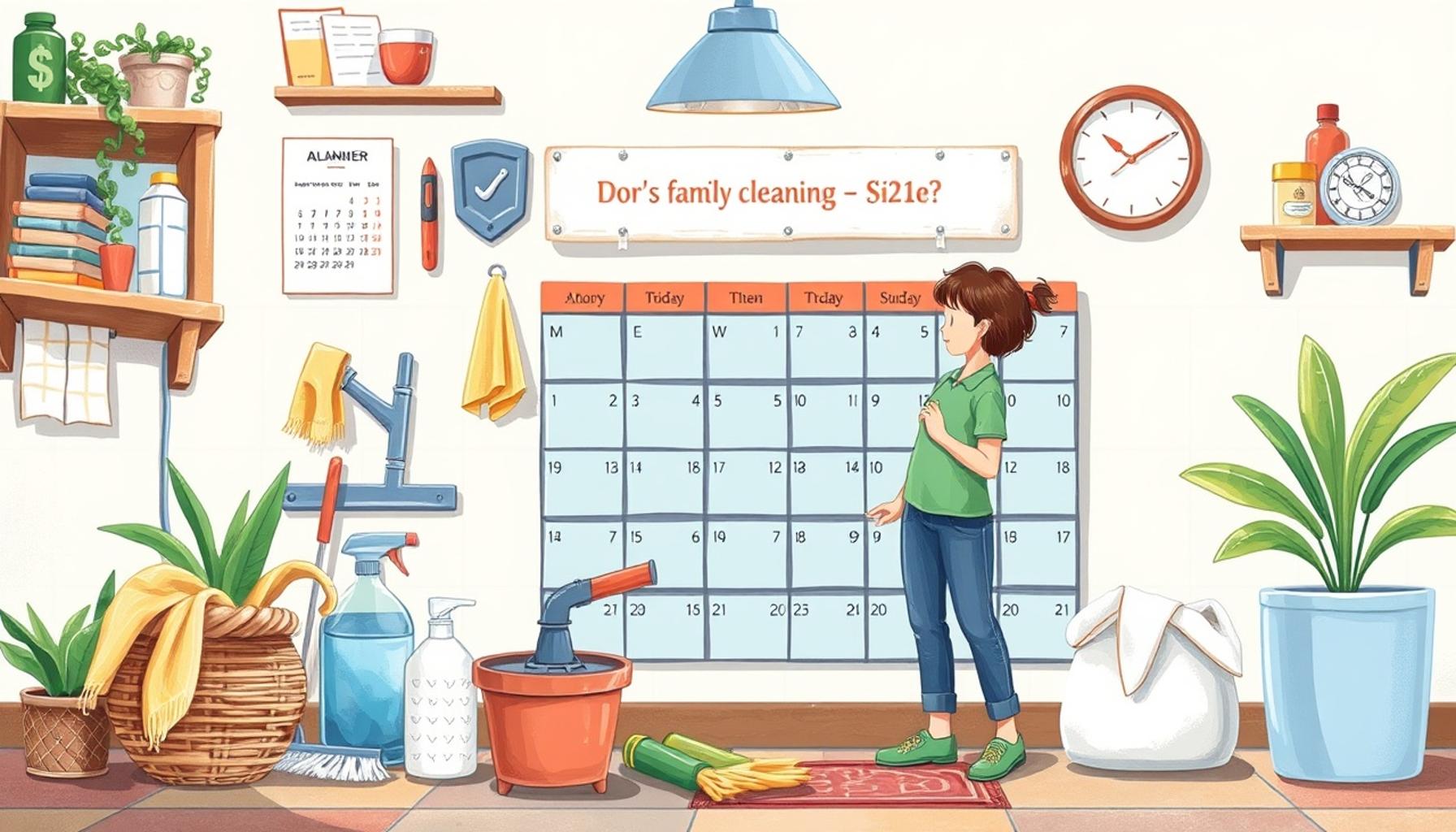
One of the first steps to effective task division is establishing clear roles. Assigning specific tasks to individuals eliminates confusion and prevents overlap. For instance, if one person is in charge of vacuuming while another is focused on dusting, each member can work autonomously without stepping on each other’s toes. This clarity is essential, especially in larger teams. By ensuring everyone knows their specific duties, teams can operate more like well-oiled machines rather than chaotic collections of individuals.
Strategic Planning
Strategic planning plays a vital role in enhancing productivity. Organizing tasks by complexity and time required allows for an efficient workflow. For example, starting with the easier tasks, like picking up trash or decluttering, can set a positive pace for the group. More complex tasks, such as deep cleaning carpets or sanitizing bathrooms, can follow once the lighter work is done. This method not only optimizes time but also keeps morale high as the team can visibly see progress being made.
Importance of Communication
Another key element is communication throughout the cleaning process. Regular check-ins can ensure that everyone is on the same page regarding their progress. This might mean holding brief meetings to discuss how tasks are going or using a shared app to track completion. The ability to adjust responsibilities as necessary also keeps the cleaning effort on track. Teams may find that certain tasks take longer than expected, warranting a shift in roles to maintain momentum.
Examples of Effective Techniques
- Creating a checklist: Providing each team member with a checklist can serve as a motivational tool. As they check off completed tasks, individuals can visually see their contributions, which boosts satisfaction and accountability.
- Utilizing a rotation system: To keep the cleaning routine dynamic and engaging, teams can implement a rotation system where responsibilities shuffle among members. This helps individuals learn different cleaning skills and keeps the workload balanced.
- Specialized assignments: By dividing tasks into specialized roles, groups can capitalize on individual strengths. For example, someone with experience in organizing may take charge of storage areas, while another person can excel in detailed bathroom sanitation.
Conclusion
By employing these methods, groups not only maximize their cleaning efficiency but also build camaraderie. As we delve deeper into the techniques available, the potential for improvement grows exponentially. With effective communication, strategic planning, and clear role assignments, groups can elevate their cleaning game significantly. In a world where teamwork is essential, these skills are invaluable. Ready to revolutionize your communal cleaning experience?
LEARN MORE: Click here to discover how to create a safer cleaning routine
Key Techniques for Task Division in Group Cleaning
When it comes to effective group cleaning, implementing strategic task division techniques can significantly boost productivity and ensure a thorough job gets done. Understanding how to effectively distribute tasks not only saves time but also enhances teamwork by allowing group members to leverage their strengths. Here are several foundational approaches that can lay the groundwork for a successful cleaning collaboration.
Assessing Skills and Preferences
Before assigning tasks, it’s crucial to assess the unique skills and preferences of each group member. Everyone is equipped with different cleaning capabilities, and aligning these with appropriate tasks can lead to exceptional results. For instance, one person might excel in detailed cleaning, while another might be great at physical labor, like moving furniture. By recognizing these strengths, teams can assign tasks that maximize individual performance and satisfaction, increasing overall cleaning efficiency.
Establishing Task Groups
An effective strategy is to create task groups based on project size and scope. Teaming up individuals allows for a more concentrated effort on larger areas or particularly challenging tasks. For example, while some members focus on wiping and disinfecting surface areas in the break room, others can tackle the floors or windows simultaneously. This approach not only divides responsibilities but also encourages collaboration, as individuals can support one another and share tips as they work through their segments.
Implementing Time Constraints
Setting time constraints for each assigned task can create a sense of urgency and drive among group members. By establishing deadlines—whether it’s a ten-minute blitz on the kitchen or a half-hour for tidying up the living room—participants are encouraged to stay focused and work efficiently. This method fosters a competitive spirit, as members may push themselves to complete tasks within the given timeframe. Plus, it allows the group to assess progress quickly, enabling timely adjustments if needed.
Utilizing Technology for Coordination
In today’s tech-savvy world, leveraging technology can play a pivotal role in enhancing task division during cleaning efforts. Introducing a shared online platform or smartphone app can facilitate organization and communication within the group. Team members can update their task statuses, share photos of progress, or post questions, keeping everyone engaged and informed. Utilizing such tools not only enhances accountability but also adds an element of fun to the cleaning process, as members can interact and celebrate their collective achievements.
Checklist for Effective Task Division
- Identify strengths: Before starting, make a list of skills and preferences of group members.
- Form task groups: Break down larger cleaning tasks into smaller groups for better focus and collaboration.
- Set time limits: Assign timeframes for each group to encourage efficiency and keep the momentum going.
- Use technology: Implement tools for communication and coordination to make tracking progress easier.
- Evaluate and adjust: After each session, discuss what worked well and what can be improved for the next cleaning effort.
By implementing these key techniques, groups can harness their collective power to achieve impressive cleaning results while fostering a sense of unity and camaraderie among participants. As the cleaning process unfolds, it becomes evident that effective task division is not merely about assigning chores—it’s about creating an environment where collaboration and efficiency go hand in hand.
Task Division Techniques to Maximize Group Cleaning Efficiency
In the realm of effective group cleaning, proper task division techniques stand as the backbone of achieving impressive results. Utilizing these methods not only streamlines the cleaning process but also fosters collaboration among team members. Below, we explore key advantages associated with implementing these techniques.
| Category | Benefits |
|---|---|
| Increased Efficiency | When tasks are clearly divided, members can focus on specific areas, reducing time wasted on overlapping responsibilities. |
| Enhanced Cooperation | Task division encourages team members to work together, bringing unique skills to the forefront, which boosts morale and teamwork. |
Implementing task division techniques not only improves cleaning speed but also instills a sense of accountability among participants. Each member feels responsible for their designated tasks, leading to thorough and high-quality outcomes. Additionally, with less confusion on responsibilities, managers can focus on overseeing the entire operation rather than mediating conflicts over tasks.
Furthermore, incorporating technology, such as scheduling apps, can significantly enhance group cleaning efficiency. These tools help track progress and adjustments in real-time, ensuring all tasks are completed on schedule. With these strategies in play, groups can navigate the challenges of larger spaces with ease, making daunting cleaning tasks manageable and enjoyable.
DISCOVER MORE: Click here to learn about the importance of air quality in home safety
Advanced Strategies for Optimizing Group Cleaning Tasks
While foundational techniques for task division are essential, adopting more advanced strategies can further elevate the effectiveness of group cleaning efforts. These methods not only promote efficiency but also enhance the overall experience for participants. By integrating these sophisticated approaches, teams can achieve superior results and foster a sense of accomplishment in their cleaning endeavors.
Utilizing a Rotating Schedule
One highly effective technique is the implementation of a rotating schedule for cleaning responsibilities. This means that team members alternate between various tasks over time, ensuring that no single person becomes burdened with the same chore consistently. For instance, in a shared living space, one week an individual might handle kitchen duties, while the next week they switch to vacuuming or bathroom cleanup. This rotation not only prevents monotony but also allows all members to become adept at various cleaning tasks, ultimately resulting in fewer bottlenecks during group cleaning sessions.
Incorporating Gamification Elements
Gamification can infuse energy into the cleaning process. By introducing friendly competition through challenges or games, you can engage participants on a whole new level. For example, teams could compete to see who can clean their assigned area the fastest while maintaining quality standards. You might consider awarding points for creativity, thoroughness, or teamwork, culminating in a small prize for the most effective cleaning crew. This tactic reinforces group cohesion and motivates members to strive for excellence in their tasks.
Feedback Loops and Continuous Improvement
Creating opportunities for feedback loops is crucial for refining group cleaning techniques over time. At the end of each cleaning session, dedicate time for team members to share their thoughts on task assignments, time management, and any obstacles encountered. This not only fosters open communication but also enables the group to refine their approach based on real experiences. Teams that embrace this continuous improvement mindset end up increasing their cleaning efficiency substantially, as they can identify what works and what needs adjustment.
Establishing a Cleaning Rotation for High-Traffic Areas
To maximize efficiency and cleanliness in frequently used spaces, consider establishing a cleaning rotation specifically for high-traffic areas. These locations, such as the kitchen, bathrooms, or communal lounges, accumulate dirt and grime quickly, necessitating more frequent attention. By designating specific cleaning duties for these components, such as weekly deep-cleans alternating between participants, the group can ensure that these critical spaces remain pristine without overwhelming anyone with too many responsibilities at once.
Leveraging the Power of Accountability Partners
Pairing up team members as accountability partners can also enhance productivity during group cleaning efforts. When individuals are responsible for one another’s progress, they are more likely to stay focused and less inclined to procrastinate. For example, one partner might take charge of vacuuming while the other handles dusting—checking in regularly to ensure tasks are completed efficiently can create a stronger sense of commitment and camaraderie among participants. This method also builds trust, as team members rely on each other to uphold their end of the cleaning deal.
- Utilize a rotating schedule: Ensure all members share cleaning responsibilities, avoiding burnout and promoting skill diversity.
- Incorporate gamification: Introduce fun challenges to encourage speed and quality in cleaning while fostering teamwork.
- Create feedback loops: Facilitate discussions about task effectiveness post-cleaning to identify and implement improvements.
- Establish a cleaning rotation: Set specific duties for high-traffic areas to maintain cleanliness without overwhelming the group.
- Leverage accountability partners: Pair members for mutual support and motivation, enhancing focus and commitment.
By exploring these advanced strategies, cleaning teams can transform their approach to task division. Not only will they achieve heightened efficiency, but they will also enrich the overall group dynamic, making the cleaning process a more rewarding experience for everyone involved.
LEARN MORE: Click here for tips on childproofing your home
Conclusion: Elevating Group Cleaning Efficiency through Strategic Task Division
In summary, the effectiveness of group cleaning relies heavily on adopting strategic task division techniques. Fundamental methods such as assigning specific roles and utilizing a rotating schedule lay a solid foundation, while advanced strategies bring a heightened dynamic to the cleaning process. By incorporating elements like gamification and establishing feedback loops, team members can not only enhance their productivity but also enjoy a more engaging and collaborative environment.
The significance of addressing high-traffic areas cannot be overstated; implementing a focused cleaning rotation for these spaces ensures a consistently sanitary atmosphere. Moreover, fostering accountability partnerships cultivates a sense of responsibility and camaraderie among participants, which can transform a mundane chore into a fulfilling collective effort. As teams embrace these innovative approaches, they will discover that cleaning can be both efficient and enjoyable, leading to a sense of pride in their shared accomplishments.
Ultimately, maximizing group cleaning efficiency through effective task division is not just about finishing a chore; it’s about building a stronger, more cohesive team. By continuously evaluating and refining these techniques, groups can adapt to changing needs and styles, ensuring they are well-equipped to tackle any cleaning task ahead. This enables a cleaner, healthier environment, allowing groups to thrive in both their spaces and their relationships. Exploring these techniques can lead to more efficient cleaning and foster a collaborative spirit that extends beyond the cleaning session, enriching the community as a whole.

Linda Carter
Linda Carter is a writer specializing in efficient house cleaning and maintenance. With extensive experience helping readers keep their homes clean, organized, and well cared for, Linda shares practical guidance on cleaning routines, household upkeep, stain removal, and time-saving methods. Her goal is to provide simple tips and effective strategies that make home care easier, faster, and more manageable.