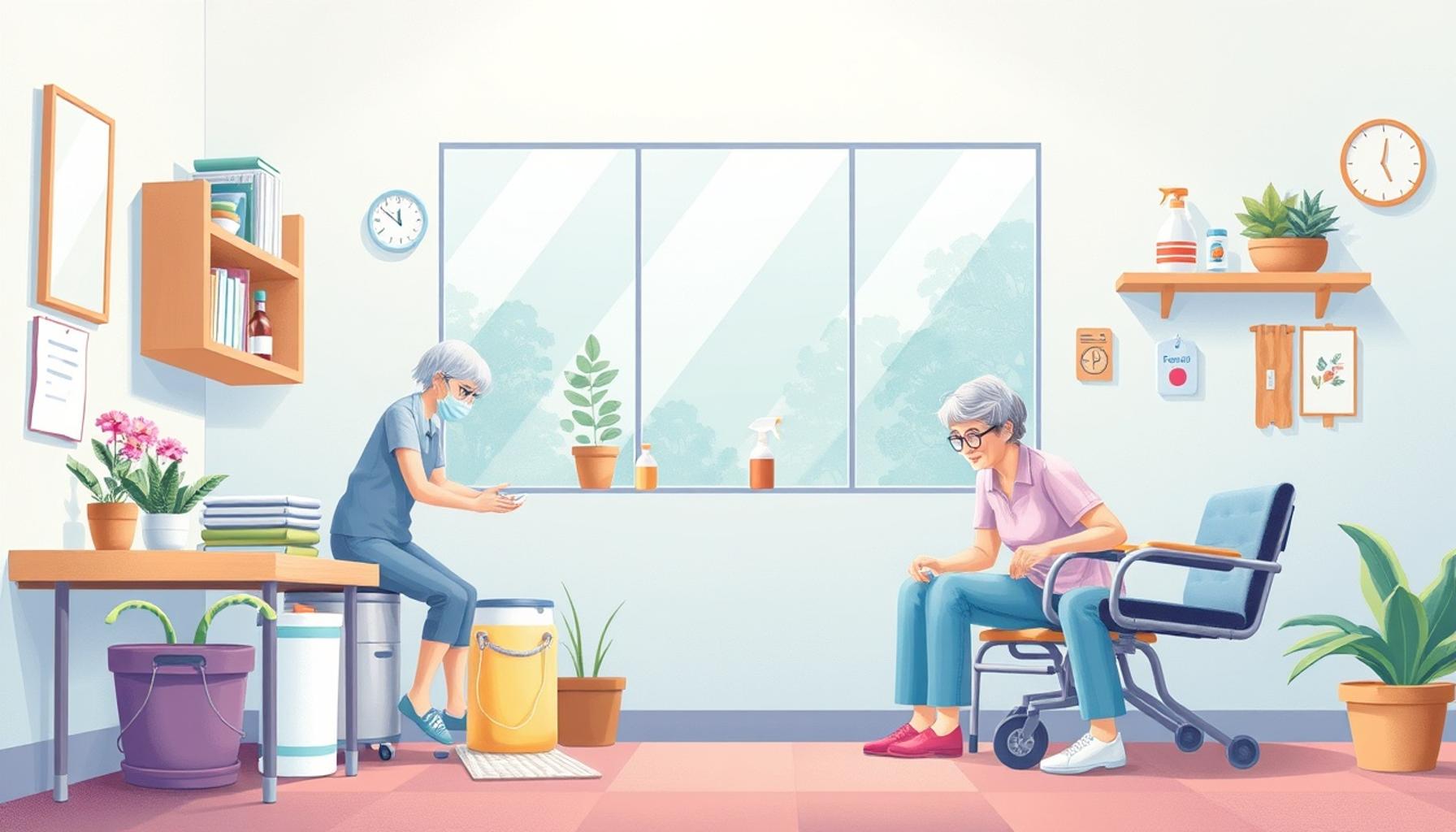
The Importance of Regular Cleaning to Prevent Domestic Accidents

Understanding the Risks of Living in a Cluttered Space
The impact of a disorganized home extends beyond mere visual displeasure. A cluttered environment can become a breeding ground for a variety of dangerous situations, significantly increasing the likelihood of domestic accidents. Regular cleaning is crucial, not just for maintaining appearances, but for safeguarding your health and safety. Dangers often lurk in plain sight, ready to cause accidents that could have otherwise been avoided.
- Slips and Falls: Floors littered with toys, shoes, or other items can lead to serious trips and falls. For children and the elderly, the risks are particularly pronounced. According to the National Safety Council, over 9 million people visit emergency rooms each year due to fall-related injuries. Simple steps such as ensuring walkways are clear and using non-slip mats in bathrooms can be lifesavers.
- Allergen Buildup: Dust, mold, and pet dander accumulate in areas that are seldom cleaned, leading to respiratory issues and allergic reactions. For instance, mold spores can proliferate in damp corners or behind furniture, posing serious health risks. The Environmental Protection Agency (EPA) estimates that indoor air can be 2 to 5 times more polluted than outdoor air. Regular cleaning of surfaces and investing in air purifiers can drastically reduce these allergens.
- Fire Hazards: Clutter can significantly heighten the risk of fires, especially when flammable materials like paper, fabric, or discarded electronics accumulate. The National Fire Protection Association reports that nearly 50% of home fires start in the kitchen, often exacerbated by disorganized spaces. Keeping flammable items away from heat sources and regularly checking for faulty wiring can help mitigate this risk.
Statistics from the United States demonstrate that the majority of home accidents are preventable through proper maintenance and attention to cleanliness. For instance, over 21,000 people die each year due to unintentional injuries in the home, a marked percentage of which stem from clutter-related incidents.
In the following sections, we will delve into the importance of maintaining a clean living environment and offer practical steps you can implement to enhance safety at home. Understanding the intricacies of these hazards can empower you to create a healthier and safer living space—all it takes is a commitment to regular upkeep and organization.
DISCOVER MORE: Click here for eco-friendly tips
The Hidden Dangers of Neglecting Cleanliness
When we think about domestic accidents, our minds often jump to the immediate dangers presented by sharp objects or malfunctioning appliances. However, the reality is that many accidents stem from the insidious effects of a dirty or cluttered home. Regular cleaning does not just keep your space looking presentable; it is a vital practice for ensuring a safer living environment. By addressing common hazards through diligent cleaning, you can protect both your family and visitors from preventable injuries.
- Obstructed Escape Routes: In times of emergency, such as a fire, every second counts. However, a cluttered home can obstruct escape routes, making it difficult to exit quickly. Items left on stairs, in hallways, or near exits may cause delays that could have dire consequences. Regular cleaning ensures these pathways remain clear and accessible, enhancing safety during emergencies.
- Inadequate Lighting: Darkness combined with clutter can be a recipe for disaster. Poorly lit areas can camouflage objects that may trip you up or cause you to bump into furniture. Furthermore, the American Optometric Association highlights that proper lighting is crucial for maintaining visual comfort and safety. Simple measures, such as ensuring light bulbs are functional and using adequate lighting in every room, can reduce the risk of accidents significantly.
- Pest Infestations: Neglecting regular cleaning can lead to pest infestations, which are not only irritants but also health hazards. Pests like rodents and cockroaches carry diseases that can contribute to serious health risks, particularly for vulnerable populations such as children and the elderly. The Centers for Disease Control and Prevention (CDC) notes that rodent droppings can trigger asthma attacks, making cleanliness essential for respiratory health.
Consider the statistics that underscore the importance of cleanliness in preventing accidents. The National Safety Council reports that well over 40% of injuries happen in the home, and many of these injuries can be avoided with better organization and cleanliness. By establishing a routine cleaning schedule, you are not just decluttering your space; you are actively reducing the risks of these accidents.
Regular cleaning paves the way for a healthier home atmosphere by addressing the various hazards. From slip and fall accidents to infestations that compromise health, the benefits of frequent cleaning extend far beyond aesthetics. In the coming sections, we will explore actionable steps that can help you maintain a cleaner and thus safer living environment, emphasizing how a little effort can forge a significant impact on household safety.
The Importance of Regular Cleaning to Prevent Domestic Accidents
Regular cleaning plays a crucial role in maintaining a safe home environment. Not only does it enhance the aesthetic appeal of your living space, but it also significantly reduces the risks of accidents occurring within the household. Accidental slips and falls, which are some of the most common domestic accidents, can often be traced back to dirt, clutter, or inadequate cleaning practices. In fact, a study by the National Safety Council revealed that approximately 9 million people are treated for fall injuries every year in the United States alone.
Moreover, keeping your home clean helps to minimize health hazards associated with dust and allergens that can accumulate over time. Regularly dusting surfaces, vacuuming carpets, and disinfecting commonly touched areas, such as doorknobs and light switches, not only contributes to overall cleanliness but also promotes better air quality within your home. Poor indoor air quality can lead to respiratory issues, triggering allergies or asthma attacks, further emphasizing the importance of a routine cleaning schedule.
To highlight the significance of regular cleaning, consider this HTML table that outlines the main advantages of consistent cleaning practices:
| Category | Benefits |
|---|---|
| Safety | Reducing the risk of slips and falls by maintaining clear walkways. |
| Health | Minimizing allergens and pollutants for improved air quality. |
By incorporating regular cleaning into your weekly or monthly tasks, you can create a healthier and safer living environment for you and your family. The act of cleaning, while sometimes perceived as a chore, should be viewed as a vital investment in both safety and well-being. By taking proactive measures to clean your home regularly, you help to fortify it against potential accidents and health hazards, paving the way for a more secure space.
LEARN MORE: Click here to discover the best practices for storing your cleaning supplies</p
Creating Safe Spaces through Routine Maintenance
Regular cleaning is not just about tidiness; it plays a pivotal role in preventing domestic accidents. By establishing a comprehensive cleaning routine, you can significantly mitigate risks associated with potential hazards around your home. This section explores how specific cleaning habits can contribute to a safer living environment.
- Reducing Slip and Fall Incidents: One of the most common domestic accidents occurs when people slip or trip on wet or cluttered surfaces. According to the National Floor Safety Institute, slips and falls are the leading cause of unintentional injuries in the home, particularly among older adults. Regularly mopping floors, clearing spills immediately, and ensuring that rugs and mats are firmly secured can dramatically decrease this risk. Additionally, using non-slip mats in bathrooms and kitchens can add another layer of safety.
- Cleansing Toxic Elements: Many cleaning products contain harmful chemicals that can lead to health issues if mistakenly ingested or improperly handled. Moreover, dust and allergens can accumulate over time, triggering respiratory problems and allergic reactions. Regular cleaning helps to eliminate dust mites, mold spores, and toxic residues that could contribute to a hazardous indoor environment. The Environmental Protection Agency (EPA) suggests using eco-friendly cleaning alternatives, which can be equally effective while conserving indoor air quality.
- Childproofing Areas: For families with young children, creating a safe environment is a top priority. Regular cleaning involves not just tidiness but also the strategic organization of spaces. Keeping hazardous materials, such as cleaning supplies or sharp objects, out of children’s reach and ensuring that toys are stored after playtime can greatly reduce the likelihood of accidents. The American Academy of Pediatrics emphasizes that childproofing a home extends beyond traditional measures; consistent cleaning habits play a vital role in maintaining a safe environment.
- Maintaining Appliances: Many domestic accidents occur due to malfunctioning appliances, often exacerbated by neglect. Regular cleaning and maintenance of household equipment can prevent accidents caused by overheating or electrical failures. For instance, lint buildup in dryers can pose a serious fire hazard, so it’s crucial to clean lint traps after each use and conduct periodic deep cleans of appliance vents. Investing time in this routine can save lives and property.
Understanding the implications of cleanliness extends to the tangible benefits of a well-maintained home. Studies conducted by the Institute for Health Metrics and Evaluation suggest that environments with less clutter and grime correlate with lower instances of accidents and health risks. By prioritizing cleaning efforts, you not only protect your immediate surroundings but also foster a culture of safety and health within your family.
Fostering safe spaces through regular cleaning fosters not only a visually appealing home but one that actively prevents accidents and injuries. For those seeking to create a safer domestic environment, implementing these regular cleaning practices can mean the difference between comfort and catastrophe.
DISCOVER MORE: Click here for effective cleaning strategies
Conclusion: Prioritizing Cleanliness for Safety
In conclusion, the importance of regular cleaning in preventing domestic accidents cannot be overstated. As we have explored, a dedicated cleaning routine goes beyond mere aesthetics; it serves as a fundamental pillar for fostering a safer home. By adhering to proper cleaning practices, you can effectively reduce the risk of slip and fall incidents, protect your family from toxic elements, create child-safe environments, and maintain appliances that function safely and effectively.
The correlation between cleanliness and safety reveals that less clutter and better-maintained spaces translate into fewer accidents and health risks. Furthermore, proactive cleaning routines instill a culture of safety awareness among family members, prompting everyone to be more vigilant about potential hazards. According to the Centers for Disease Control and Prevention (CDC), regular maintenance of the home is essential for creating a healthy environment that discourages accidents and injuries.
As homeowners, we bear the responsibility of not just maintaining our physical spaces but also protecting our loved ones. Incorporating regular cleaning into your household routine can be a small yet powerful step towards ensuring a safe living environment. Whether it involves simple decluttering or thorough deep cleaning, every effort contributes to making your home a sanctuary rather than a site of potential accidents.
Ultimately, regular cleaning is a proactive approach to safeguarding against domestic accidents, paving the way for a healthy, happy, and secure home life. Start today by adopting new cleaning habits, and you may discover a profound transformation in both your home’s safety and overall quality of life.

Linda Carter
Linda Carter is a writer specializing in efficient house cleaning and maintenance. With extensive experience helping readers keep their homes clean, organized, and well cared for, Linda shares practical guidance on cleaning routines, household upkeep, stain removal, and time-saving methods. Her goal is to provide simple tips and effective strategies that make home care easier, faster, and more manageable.