Creating a Safe Cleaning Environment for Seniors and Individuals with Disabilities
The Importance of a Clean and Safe Environment
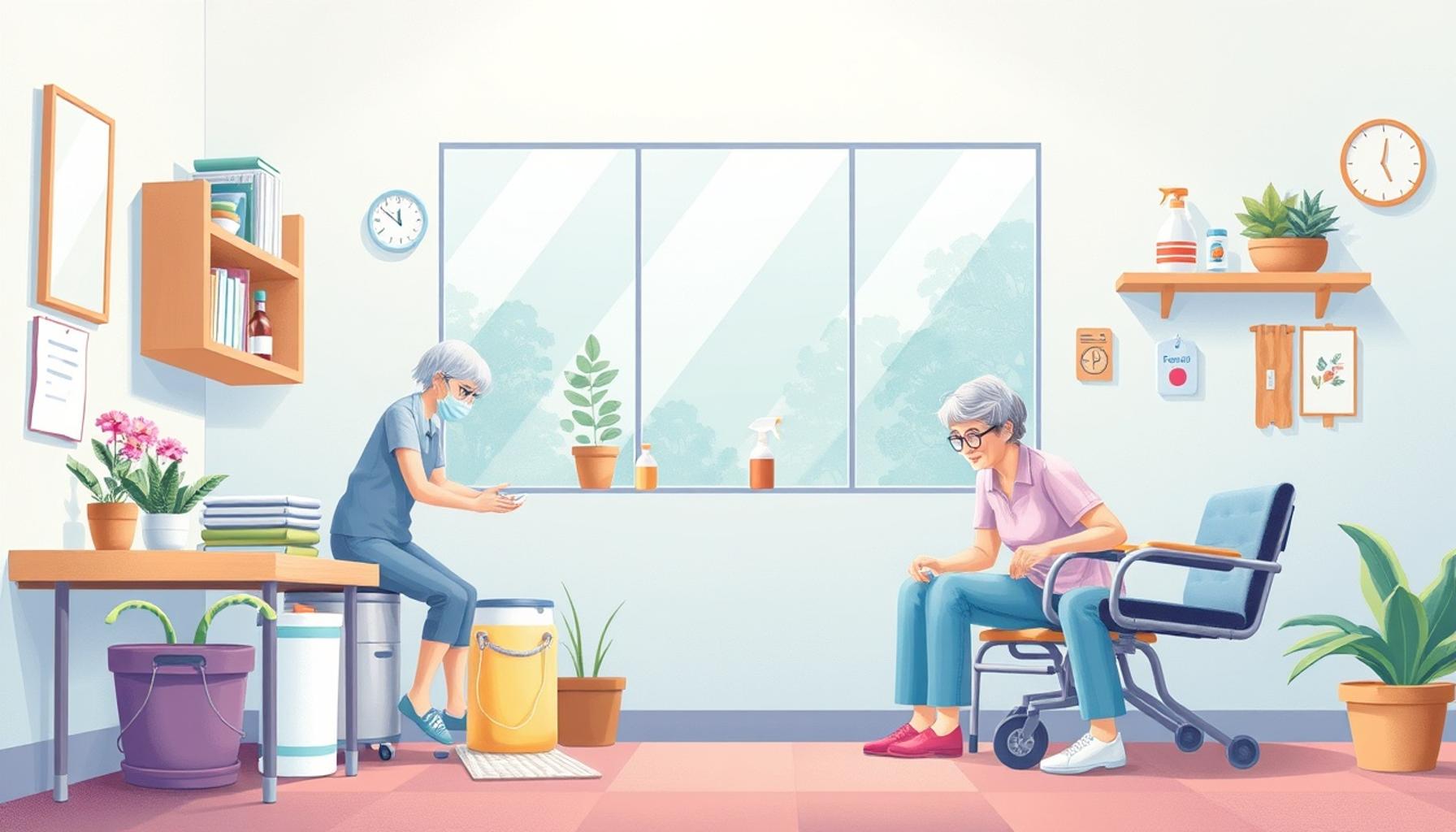
For many, a tidy home represents more than just aesthetics; it is a reflection of safety and comfort. This is especially true for seniors and individuals with disabilities, who may face heightened risks when navigating through cluttered and unkempt spaces. Maintaining cleanliness not only enhances the visual appeal of a home but also plays a crucial role in ensuring the physical well-being of its inhabitants. A secure and well-organized environment fosters independence, mitigates risks of accidents, and contributes significantly to overall health and happiness.
Accessibility: A Key Component
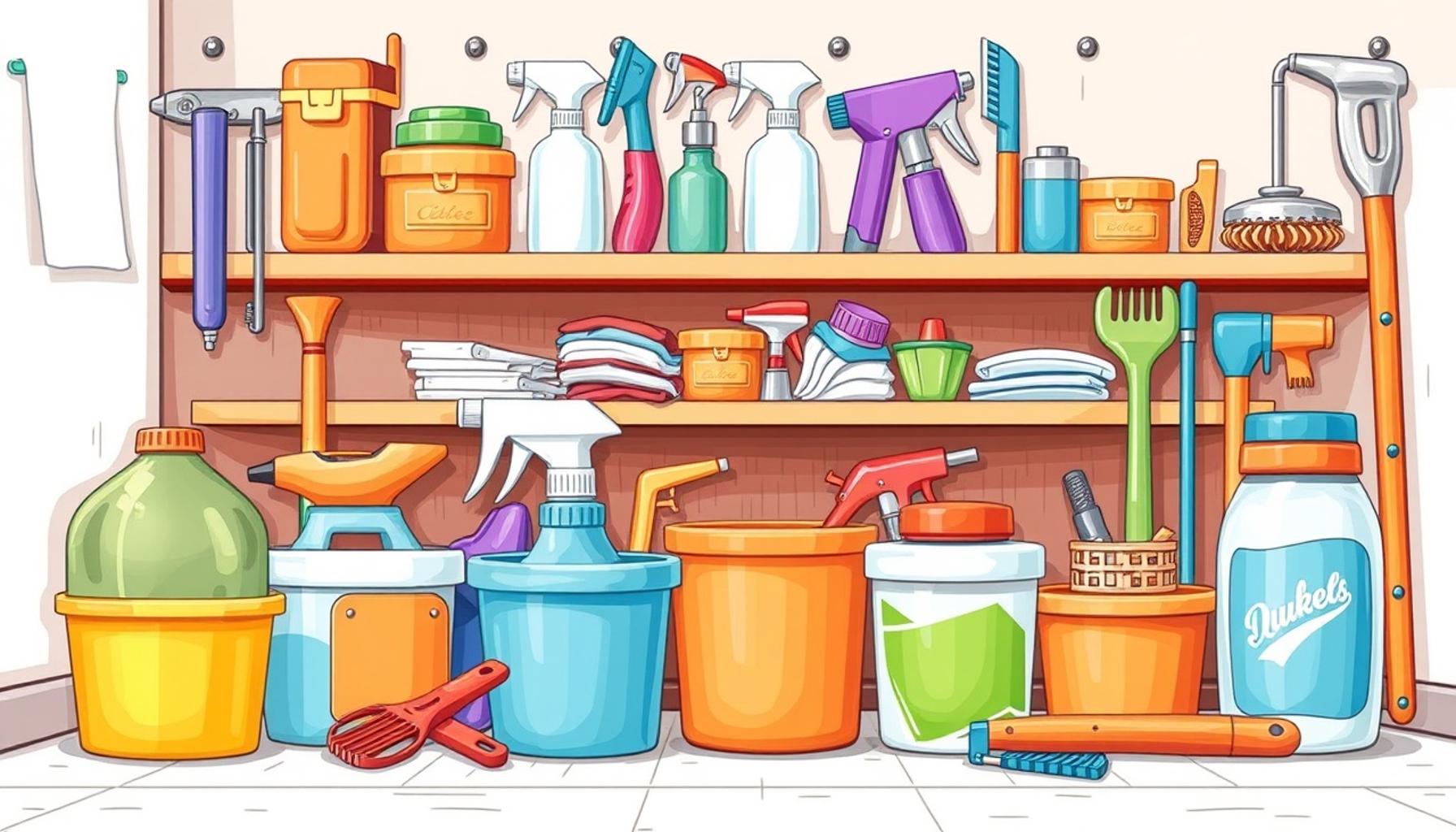
One fundamental aspect to consider when creating a safe cleaning environment is accessibility. Cleaning supplies should be stored within easy reach, preferably on lower shelves or in designated drawers to eliminate the need for stretching or climbing. For example, using organizers with pull-out drawers or lazy Susans can help ensure that seniors and those with disabilities can easily access essential items without the risk of straining themselves. Additionally, utilizing long-handled mops and dusters can make cleaning less strenuous and more efficient.
The Significance of Non-Toxic Products
When it comes to cleaning, the choice of products can have a profound impact on health. Opting for non-toxic and eco-friendly cleaning agents is vital for creating a safe environment. Many conventional cleaning products contain harsh chemicals that can exacerbate respiratory issues or lead to skin irritations, especially for seniors who may have existing health concerns. Thankfully, there are numerous alternatives available today. Vinegar, baking soda, and essential oils not only serve as effective cleaning agents but also present a much safer option without compromising efficacy. For tougher stains or germs, look for products specifically labeled as safe for sensitive populations.
Keeping Spaces Clutter-Free
Another crucial consideration in promoting safety for seniors is maintaining clutter-free areas. Excess items can become tripping hazards, posing a risk of falls which statistics show concern over 60% of seniors. Regular decluttering sessions can make a world of difference. Engaging in systematic downsizing can help identify items that are no longer necessary—perhaps donating or discarding them—and subsequently enhance the navigability within living spaces. Family members or caregivers can assist in this effort, making it a collaborative task that fosters connection and community.
Statistics and Insights
According to data from public health organizations, falls rank as the leading cause of death among seniors, emphasizing the critical need for a safe environment. Implementing simple changes, such as installing grab bars in bathrooms and ensuring proper lighting throughout the home, can play a vital role in enhancing safety further. These alterations not only improve cleaning efficiency but also empower seniors and individuals with disabilities, allowing them to engage in household chores with confidence.
In conclusion, creating a safe cleaning environment involves thoughtful adjustments that prioritize accessibility, non-toxic products, and decluttered spaces. By following these practical strategies, family members and caregivers can significantly uplift the quality of life for seniors and those with disabilities, ultimately leading to greater independence and well-being in their daily lives. Join us in our next sections as we explore further insights and expert recommendations tailored for this important cause.
DON’T MISS: Click here for essential cleaning tips
Essential Elements of a Safe Cleaning Environment
Creating a safe cleaning environment for seniors and individuals with disabilities requires a multifaceted approach that encompasses several essential elements. These components work together to reduce hazards, enhance accessibility, and promote well-being, ensuring that cleaning tasks do not become daunting or dangerous. Understanding and implementing these elements can significantly improve the quality of life for this population.
Smart Organization Practices
One of the cornerstones of a safe cleaning environment is smart organization. A well-organized home does not just look appealing; it also minimizes potential hazards. Here are some effective strategies:
- Zone Cleaning: Divide the home into zones, focusing on one area at a time. This helps in managing the workload and prevents exhaustion.
- Clear Pathways: Ensure hallways and walkways are free of obstacles, allowing easy navigation with assistive devices such as canes or walkers.
- Labeling: Clearly label storage containers and drawers to provide quick access to supplies, significantly reducing the time spent searching for items.
Employing these organizational practices not only streamlines cleaning but also instills a sense of control and purpose among seniors and individuals with disabilities, making them feel more at home in their surroundings.
Safe Cleaning Tools and Equipment
Another vital aspect of creating a safe cleaning environment is choosing the right cleaning tools and equipment. The right tools can transform a daunting chore into a manageable task. Consider adopting:
- Ergonomic Tools: These are designed to reduce strain on the body. Long-handled dusters, lightweight vacuum cleaners, and ergonomic mops help seniors clean without excessive bending or reaching.
- Adaptive Equipment: For those with mobility challenges, adaptive tools such as grabbers or reachers can make it easier to pick up items or clean surfaces without bending down.
- Stored on Floors: Tools should be securely stored at bottom levels to prevent falls over dangerous items left in the way of foot traffic.
By utilizing safe and efficient cleaning equipment, seniors can reclaim their independence and maintain their homes without compromising their safety.
Home Modifications for Enhanced Safety
Simple home modifications can drastically improve safety during cleaning. These modifications are not merely cosmetic; they are powerful interventions that can prevent accidents and bolster confidence. Consider implementing:
- Slip-Resistant Flooring: Installing non-slip mats or flooring, especially in areas prone to water exposure like kitchens and bathrooms, can mitigate the risk of falls.
- Improved Lighting: Adequate lighting is essential, as it decreases the likelihood of accidents caused by poor visibility. Bright LED lights and motion sensor technology can enhance safety significantly.
- Assistive Grab Bars: In areas like the bathroom, grab bars can provide support when cleaning and performing everyday tasks, giving seniors and individuals with disabilities the stability they need.
By integrating these safety-enhancing modifications, families can create a welcoming and secure environment that not only supports a clean home but also promotes independence and dignity for seniors and individuals with disabilities.
As we dive deeper into creating a safe cleaning environment, the next sections will explore additional innovative solutions and community resources available to enhance the experience for those who need it most.
| Advantages | Details |
|---|---|
| Improved Health Safety | A clean environment reduces the risk of infections, allowing seniors and individuals with disabilities to live healthier lives. |
| Enhanced Mobility and Accessibility | A safe cleaning environment ensures clear pathways, facilitating movement for individuals with mobility challenges. |
| Psychological Well-being | A tidy and clean space positively impacts mood and mental health, particularly important for seniors in maintaining a sense of independence. |
| Use of Non-toxic Cleaning Supplies | Opting for eco-friendly products minimizes exposure to harsh chemicals, promoting a safer living space. |
Creating a safe cleaning environment for seniors and individuals with disabilities involves more than just cleaning—it’s about tailoring the approach to meet specific needs. Utilizing the right cleaning techniques can help ensure not only physical safety but also foster independence. For instance, adopting a systematic cleaning routine can reduce clutter, decrease the risk of falls, and make the environment more navigable. Furthermore, incorporating assistive tools during cleaning can empower individuals to partake in maintaining their own spaces.Attention to detail, such as securing rugs and minimizing the use of slippery floor cleaners, also plays a crucial role. This focused strategy helps create a holistic cleaning regimen that prioritizes health, safety, and dignity, fundamentally enriching the quality of life for these individuals. To explore more effective strategies or resources, it’s beneficial to engage with organizations specializing in accessibility and health solutions.
DISCOVER MORE: Click here for essential tips
Innovative Strategies for a Safer Cleaning Experience
To further enhance the safety and efficacy of cleaning environments for seniors and individuals with disabilities, adopting innovative strategies can make a significant difference. By leveraging technology and utilizing unconventional problem-solving approaches, cleaning can be both effective and adaptable to individual needs.
Utilizing Technology to Aid Cleaning
In this digital age, technology presents unique opportunities to simplify cleaning tasks. Several tools and devices are specifically designed to cater to the needs of seniors and individuals with disabilities:
- Smart Home Devices: Smart vacuums and floor cleaners can take over heavy lifting. These robotic devices navigate through homes, allowing individuals to schedule cleanings without any physical strain.
- Voice-Activated Assistants: Devices like Amazon Alexa or Google Home can provide reminders to complete cleaning tasks and even assist in managing lists of cleaning supplies or routines.
- Mobile Apps: Apps specifically designed for household management can help individuals track their cleaning schedules, ensuring they remain organized and committed to maintaining a clean environment.
These technological advancements not only make cleaning easier but also provide seniors with a sense of control over their living spaces, enhancing their overall quality of life.
Collaborative Cleaning Approaches
Creating a safe cleaning environment does not have to be a solo endeavor. Involving family members, friends, or caregivers in the cleaning process can lead to a more supportive atmosphere while ensuring safety:
- Team Cleaning: Sharing responsibilities allows for a division of labor, making cleaning tasks less overwhelming for seniors. Family members can tackle heavy lifting while the senior focuses on lighter, manageable tasks.
- Regular Check-Ins: Caregivers can implement routine assessments of the home environment to identify potential hazards or areas that require additional support.
- Community Clean-Up Events: Local organizations may host events focused on helping seniors and individuals with disabilities keep their environments clean. Participation not only addresses cleaning needs but also strengthens community bonds.
This collaborative approach fosters a sense of belonging and can significantly alleviate the physical and emotional strain associated with maintaining a clean home.
Education and Training on Cleaning Techniques
Equipping seniors and individuals with disabilities with the right knowledge and skills can enhance their confidence and capability to maintain their environments. Educational opportunities may include:
- Workshops and Classes: Local community centers and senior organizations often host educational events focused on safe cleaning techniques, providing demonstrations tailored to specific needs.
- Resource Guides: Creating easy-to-follow cleaning guides with visuals can help clarify processes and promote safety, making it easier for individuals to approach tasks independently.
- Peer Support Groups: Establishing groups where seniors can share tips and tricks for cleaning can foster a community of support, encouraging individuals to seek advice when needed.
Investing in education not only enhances cleaning safety but also empowers seniors and individuals with disabilities to take ownership of their living spaces.
As we explore more resources and innovative practices, it becomes evident that creating a safe cleaning environment is an evolving process. Through collaboration, the adoption of technology, and effective education, we can enhance the quality of life for seniors and individuals with disabilities, fostering both independence and a sense of community.
DIVE DEEPER: Click here for eco-friendly cleaning tips
Conclusion: A Pathway to Independence and Safety
In conclusion, creating a safe cleaning environment for seniors and individuals with disabilities is a vital undertaking that holds the promise of enhancing their quality of life. By integrating advanced technology, such as smart home devices and voice-activated assistants, we can streamline cleaning processes, reducing physical strain while empowering individuals with a sense of control over their living spaces. Furthermore, adopting a collaborative approach that involves family members, caregivers, and community resources not only alleviates the burden of cleaning tasks but also fosters a supportive network that enriches social relations.
Equipping seniors and individuals with the right knowledge through education and training innovations plays a crucial role in developing their confidence and competence in maintaining their environments. Workshops, community events, and accessible resource guides serve as invaluable tools to share essential cleaning techniques catered to their unique needs. This knowledge contributes not only to independent living but also cultivates a sense of accomplishment and dignity.
As we continue to explore and implement these strategies, it is essential to recognize that a safe cleaning environment is not merely about cleanliness; it is about creating a foundation for healthier, happier lives for seniors and individuals with disabilities. Embracing a culture of safety, support, and accessibility ensures that everyone can thrive in their living spaces. Through concerted efforts and community involvement, we can pave the way toward a safer and more inclusive future, making the journey of maintaining a clean home a less daunting endeavor.

Linda Carter
Linda Carter is a writer specializing in efficient house cleaning and maintenance. With extensive experience helping readers keep their homes clean, organized, and well cared for, Linda shares practical guidance on cleaning routines, household upkeep, stain removal, and time-saving methods. Her goal is to provide simple tips and effective strategies that make home care easier, faster, and more manageable.